
Welcome to an exploration of the impact of a carnivore diet on kidney function. By delving into this topic, you will gain a deeper understanding of how consuming a diet rich in animal products may affect the health of your kidneys. Join us on this informative journey to discover the potential benefits and risks associated with following a carnivore diet. Let’s dive in and uncover the facts together! Have you ever considered trying a carnivore diet but are concerned about how it may affect your kidney function? It’s understandable to have questions and want to understand the potential risks and benefits before making any drastic changes to your diet. In this article, we will explore the impact of a carnivore diet on kidney function so you can make an informed decision about whether or not it is the right choice for you.
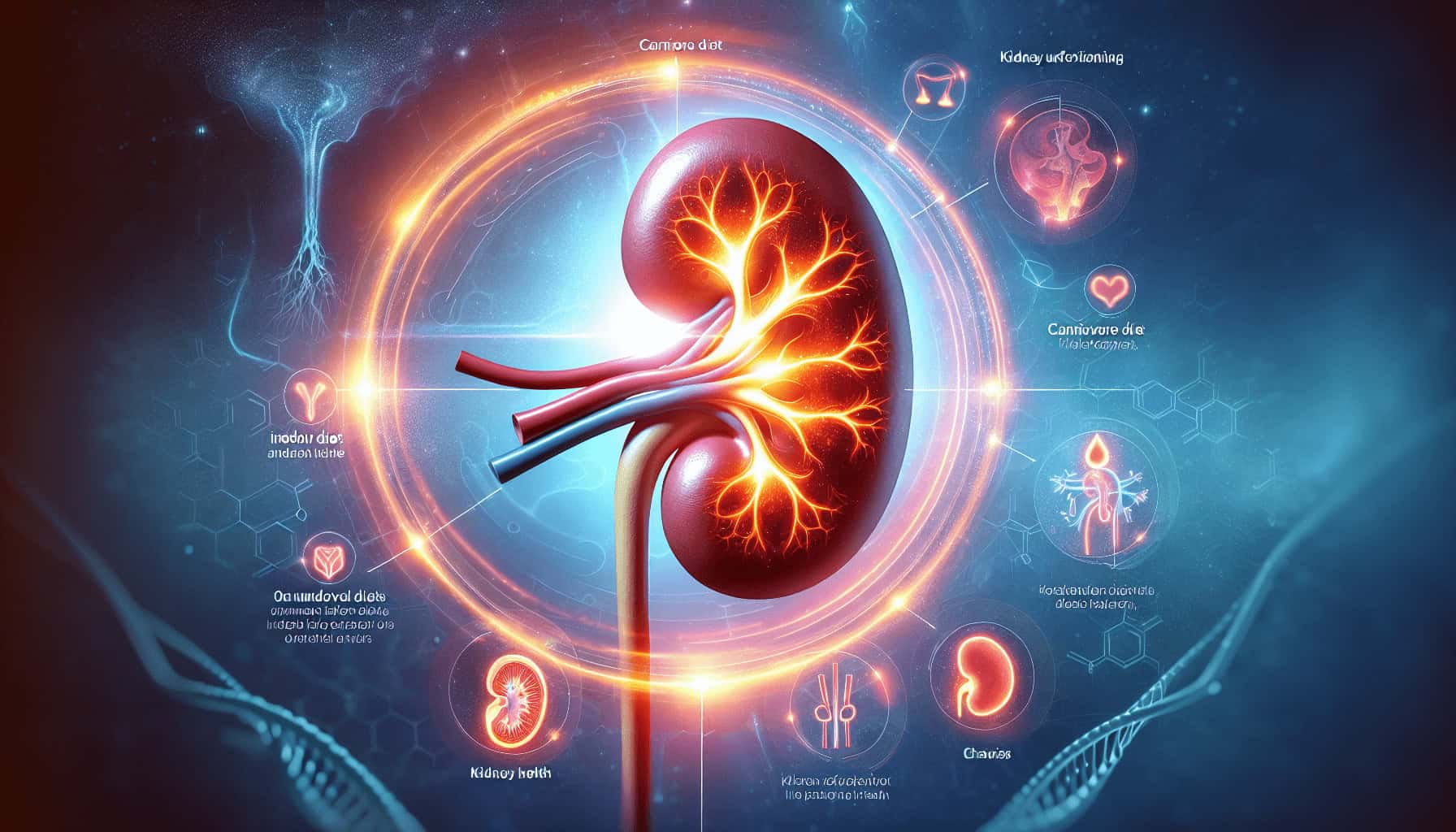
What is a Carnivore Diet?
A carnivore diet is a dietary approach that focuses on consuming primarily animal-based foods, such as meat, fish, and poultry, while excluding plant-based foods like fruits, vegetables, grains, and legumes. The goal of a carnivore diet is to mimic the way our ancestors ate during the Paleolithic era, when they relied on hunting and gathering for survival.
If you are considering trying a carnivore diet, it is important to understand what it entails and how it may differ from more traditional dietary approaches.
Nutritional Composition of a Carnivore Diet
A carnivore diet is inherently high in protein and fat, while being very low in carbohydrates. This macronutrient composition is a stark contrast to the Standard American Diet (SAD), which is high in carbohydrates and lower in fat and protein.
If you are looking to transition to a carnivore diet, you should be aware of the nutritional composition to ensure you are getting all the essential nutrients your body needs to function optimally.
Nutrient Comparison: Carnivore Diet vs. SAD
Let’s take a closer look at the nutrient composition of a carnivore diet compared to the Standard American Diet:
| Nutrient | Carnivore Diet (% of Total Calories) | Standard American Diet (% of Total Calories) |
|---|---|---|
| Protein | 35-40% | 15-20% |
| Fat | 60-65% | 30-35% |
| Carbohydrates | 0-5% | 45-65% |
As you can see, the carnivore diet is much higher in protein and fat, while being extremely low in carbohydrates. This drastic difference can have a significant impact on how your body functions, including how your kidneys operate.
Impact of Protein on Kidney Function
Protein is an essential macronutrient that plays a critical role in building and repairing tissues, as well as supporting various metabolic functions in the body. However, consuming high amounts of protein, especially from animal sources, can put stress on the kidneys and potentially lead to kidney issues over time.
Protein Metabolism in the Body
When you consume protein, your body breaks it down into individual amino acids, which are then used for various bodily functions. The waste products of protein metabolism, such as urea and ammonia, are then filtered out of the blood by the kidneys and excreted in the urine.
Impact of Excessive Protein Intake on Kidneys
Consuming large amounts of protein over an extended period of time can increase the workload on the kidneys, as they have to work harder to filter out the waste products of protein metabolism. This increased workload can put a strain on the kidneys and potentially lead to renal issues, such as decreased kidney function or kidney damage.
It is essential to be mindful of your protein intake, especially if you are following a carnivore diet, which is inherently high in protein.
Role of Fat in Kidney Function
While protein often takes center stage when discussing the impact of a carnivore diet on kidney function, the role of fat should not be overlooked. Fat is a crucial macronutrient that plays a variety of roles in the body, including providing energy, supporting cell growth, and aiding in the absorption of fat-soluble vitamins.
Importance of Healthy Fats in the Diet
The types of fats you consume can have a significant impact on your overall health, including the health of your kidneys. Healthy fats, such as monounsaturated fats and omega-3 fatty acids, have been linked to improved kidney function and decreased risk of kidney disease.
Avoidance of Trans Fats and Saturated Fats
On the other hand, unhealthy fats, such as trans fats and saturated fats, have been associated with an increased risk of kidney disease and impaired kidney function. Limiting your intake of these fats is crucial for maintaining optimal kidney health, especially if you are following a carnivore diet that is high in fat.
Carbohydrates and Kidney Health
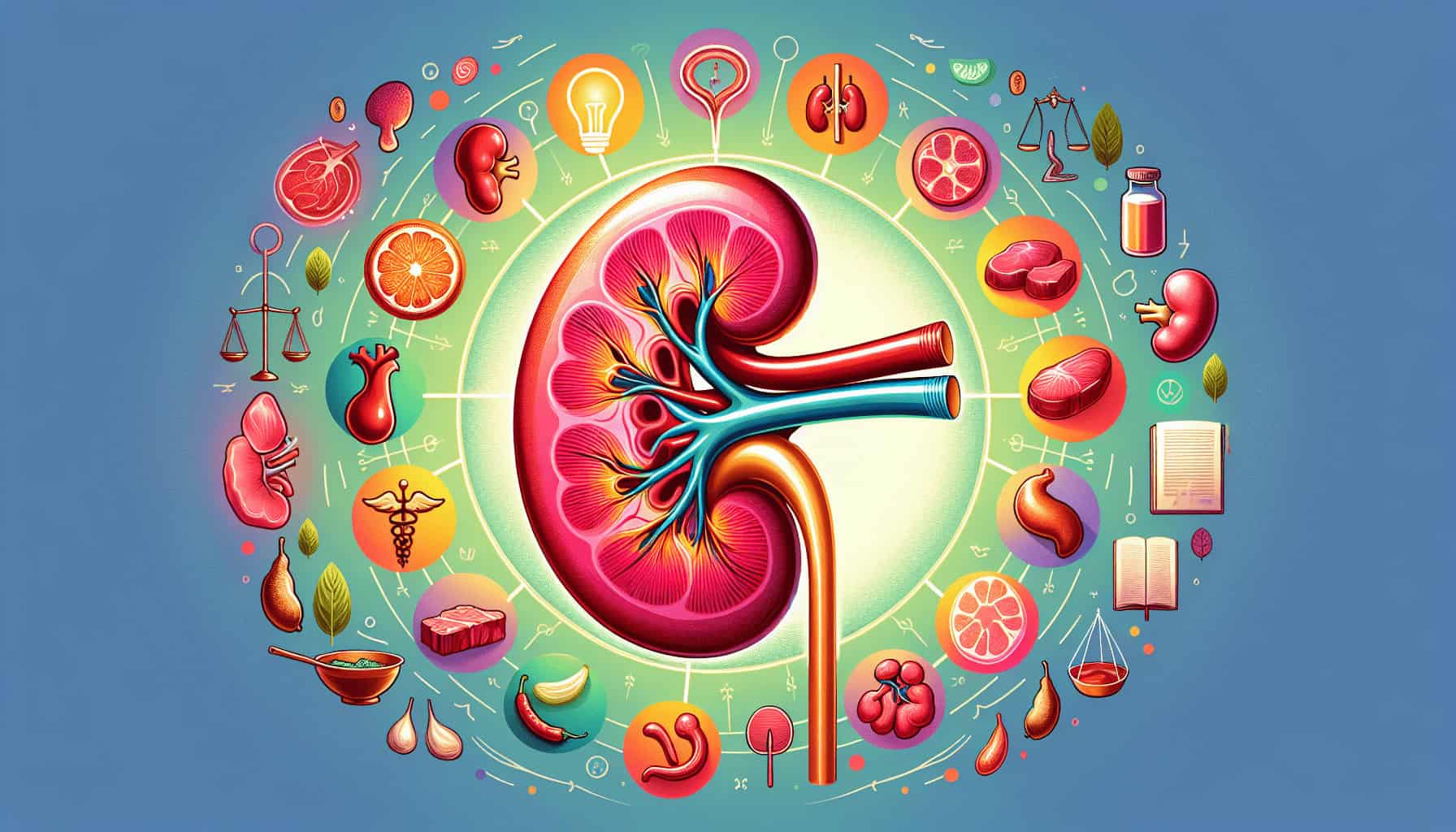
Carbohydrates, while not a primary focus of a carnivore diet, still play a role in kidney health. While a carnivore diet is extremely low in carbohydrates, it is important to understand how different types of carbohydrates can impact your kidney function.
Impact of High-Glycemic Carbohydrates
High-glycemic carbohydrates, such as sugar and refined grains, can lead to fluctuations in blood sugar levels and insulin resistance, which can increase the risk of kidney disease and impaired kidney function.
Benefits of Low-Glycemic Carbohydrates
On the other hand, low-glycemic carbohydrates, such as non-starchy vegetables and whole grains, have been associated with improved kidney function and decreased risk of kidney disease. Incorporating these types of carbohydrates into your diet, even on a carnivore diet, can help support the health of your kidneys.
Potential Risks of a Carnivore Diet on Kidney Function
While a carnivore diet may offer some potential benefits, such as weight loss and improved metabolic health, it also comes with potential risks, especially when it comes to kidney function.
Increased Risk of Kidney Stones
The high protein content of a carnivore diet can lead to an increased risk of kidney stones, especially in individuals who are prone to developing them. Consuming large amounts of animal protein can elevate levels of uric acid and calcium in the urine, which can contribute to the formation of kidney stones over time.
Impact on Kidney Function Tests
Following a carnivore diet can also affect the results of kidney function tests, such as blood tests for creatinine and blood urea nitrogen (BUN). The high protein content of a carnivore diet can temporarily elevate these levels, leading to misleading results that may suggest impaired kidney function when it is simply a result of the diet itself.
Potential for Kidney Damage
In extreme cases, prolonged consumption of a carnivore diet can potentially lead to kidney damage, particularly in individuals with existing kidney issues or risk factors for kidney disease. The combination of high protein intake, lack of essential nutrients from plant-based foods, and potential for dehydration can all contribute to kidney damage over time.
Mitigating Risks and Optimizing Kidney Health
If you are following or considering a carnivore diet and are concerned about the impact on your kidney function, there are steps you can take to mitigate risks and optimize kidney health.
Stay Hydrated
Proper hydration is crucial for kidney health, as it helps facilitate the excretion of waste products and toxins from the body. Make sure you are drinking an adequate amount of water throughout the day, especially if you are consuming a high-protein diet like the carnivore diet.
Monitor Your Protein Intake
Be mindful of your protein intake and aim to get a balance of protein from a variety of sources, including lean meats, poultry, fish, and plant-based protein sources. Avoid excessive consumption of processed meats and focus on high-quality, nutrient-dense protein options.
Include Healthy Fats in Your Diet
Incorporate healthy fats, such as avocados, nuts, seeds, and fatty fish, into your diet to support overall kidney health and function. Avoid trans fats and limit your intake of saturated fats to reduce the risk of kidney disease.
Consider Nutrient Supplementation
Since a carnivore diet excludes many plant-based foods that are rich in essential nutrients, consider supplementing with vitamins and minerals to ensure you are meeting your body’s needs. Consult with a healthcare provider to determine which supplements may be beneficial for you.
Regularly Monitor Kidney Function
If you are following a carnivore diet or any other dietary approach that may impact kidney function, it is essential to regularly monitor your kidney health through blood tests and check-ups with a healthcare provider. This will help you catch any issues early and make necessary adjustments to your diet or lifestyle.
Conclusion
In conclusion, a carnivore diet can have a significant impact on kidney function, especially due to its high protein content and exclusion of plant-based foods. While the carnivore diet may offer some potential benefits, it also comes with risks that need to be carefully considered and managed to avoid adverse effects on kidney health.
If you are considering trying a carnivore diet, it is important to weigh the potential risks and benefits, as well as take steps to mitigate risks and optimize kidney health. By staying hydrated, monitoring your protein intake, including healthy fats in your diet, considering nutrient supplementation, and regularly monitoring kidney function, you can support your kidney health while following a carnivore diet.
Remember, your health is the most important thing, so make informed decisions about your dietary choices and prioritize your well-being above all else. If you have any concerns or questions about how a carnivore diet may affect your kidney function, consult with a healthcare provider or a registered dietitian for personalized guidance and recommendations tailored to your individual needs and health goals. Your kidney health is worth taking care of, so make sure you are making choices that support it in the long run.