
Welcome to a guide on the best sources of dietary iron in a carnivore diet! If you’ve chosen to follow a diet focused on animal-based foods, it’s important to ensure you’re getting enough iron for optimal health. Incorporating iron-rich foods like red meat, poultry, and seafood can help prevent iron deficiency and keep you feeling energized and focused. Let’s explore some delicious and nutritious options to boost your iron intake while following a carnivore diet. Have you been considering transitioning to a carnivore diet but are concerned about meeting your iron needs? The good news is that there are plenty of excellent sources of dietary iron available on a carnivore diet. In this article, we will explore the best sources of dietary iron in a carnivore diet to help you stay healthy and thriving.
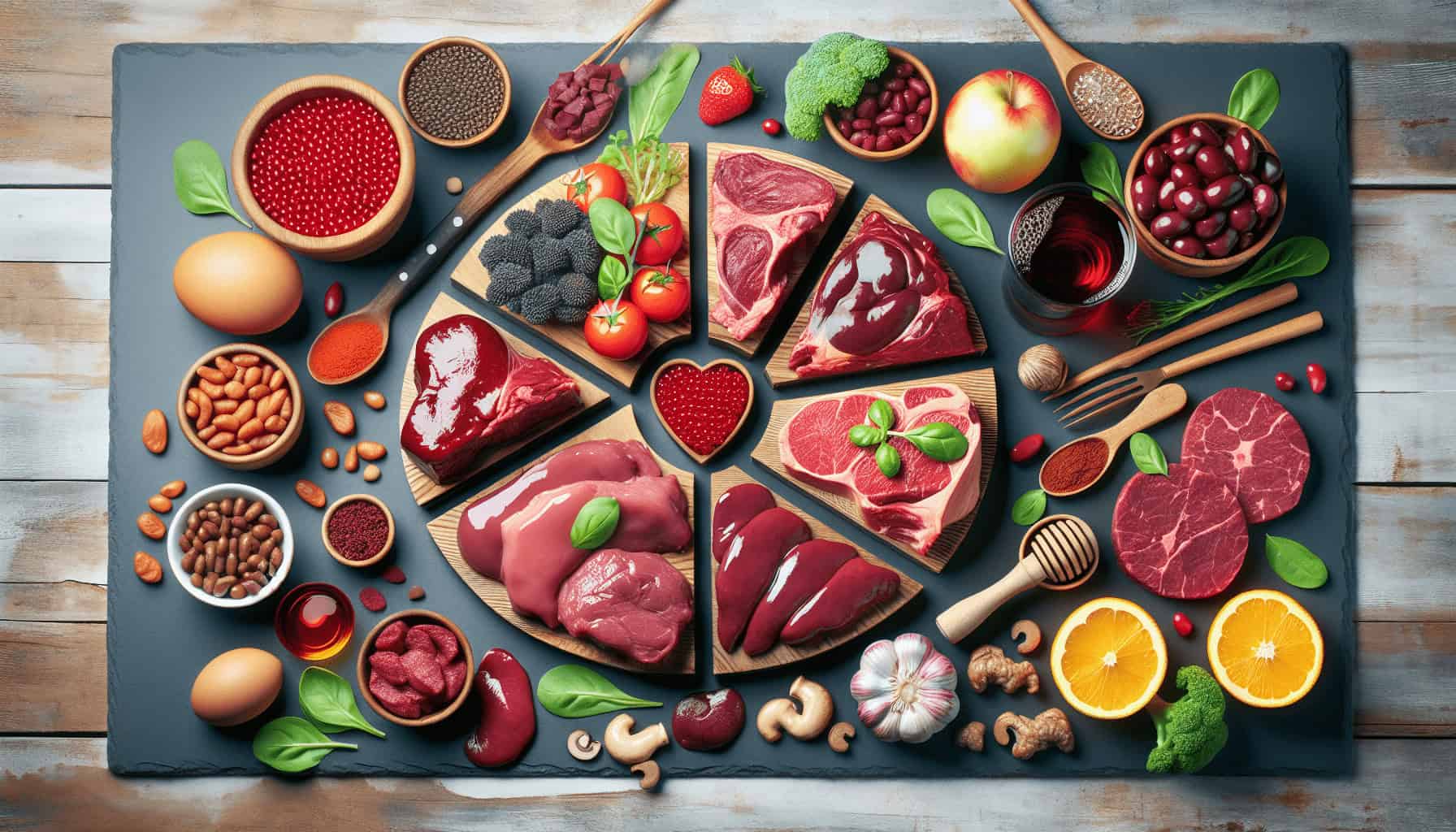
Understanding Iron and Its Importance
Iron is an essential mineral that plays a crucial role in the body. It is necessary for the production of hemoglobin, which carries oxygen from the lungs to the rest of the body. Iron is also involved in energy production and plays a key role in maintaining a healthy immune system.
Iron deficiency can lead to a condition called anemia, which can cause fatigue, weakness, and other health issues. It is important to ensure that you are getting enough iron in your diet, especially if you are following a carnivore diet that excludes plant-based sources of iron.
How Much Iron Do You Need?
The recommended daily intake of iron can vary depending on factors such as age, gender, and activity level. Generally, men need around 8 mg of iron per day, while pre-menopausal women need around 18 mg of iron per day. Pregnant women may require even more iron to support the needs of their growing baby.
To ensure that you are meeting your iron needs, it is essential to consume a variety of iron-rich foods regularly. Here are some of the best sources of dietary iron in a carnivore diet:
The Best Sources of Dietary Iron in a Carnivore Diet
When following a carnivore diet, it is essential to focus on consuming nutrient-dense foods that are rich in iron. Here are some of the best sources of dietary iron in a carnivore diet:
Beef Liver
Beef liver is one of the most nutrient-dense foods available and is an excellent source of dietary iron. A 3-ounce serving of beef liver contains around 5 mg of iron, which is more than 25% of the recommended daily intake for men and around 28% for women.
Adding beef liver to your diet is a great way to boost your iron intake and ensure that you are meeting your nutritional needs. You can enjoy beef liver in various recipes, such as liver pate or liver and onions.
Beef Heart
Beef heart is another fantastic source of dietary iron and is packed with essential nutrients. A 3-ounce serving of beef heart provides around 3 mg of iron, making it a great addition to a carnivore diet.
Including beef heart in your meals is an excellent way to increase your iron intake and enjoy a delicious and nutrient-dense food. You can prepare beef heart in various ways, such as grilling or roasting.
Beef Kidney
Beef kidney is rich in iron and is a great source of this essential mineral. A 3-ounce serving of beef kidney contains around 3 mg of iron, making it a nutrient-dense option for a carnivore diet.
Incorporating beef kidney into your meals can help you meet your iron needs and enjoy a flavorful and nutrient-rich food. You can try cooking beef kidney with onions and spices for a delicious and satisfying meal.
Red Meat
Red meat, such as beef, lamb, and pork, is an excellent source of dietary iron and provides a significant amount of this essential mineral. A 3-ounce serving of red meat can contain anywhere from 2-3 mg of iron, depending on the type of meat.
Including red meat in your carnivore diet can help you boost your iron intake and enjoy a variety of delicious and nutrient-dense foods. You can experiment with different cuts of red meat and cooking methods to find your favorite options.
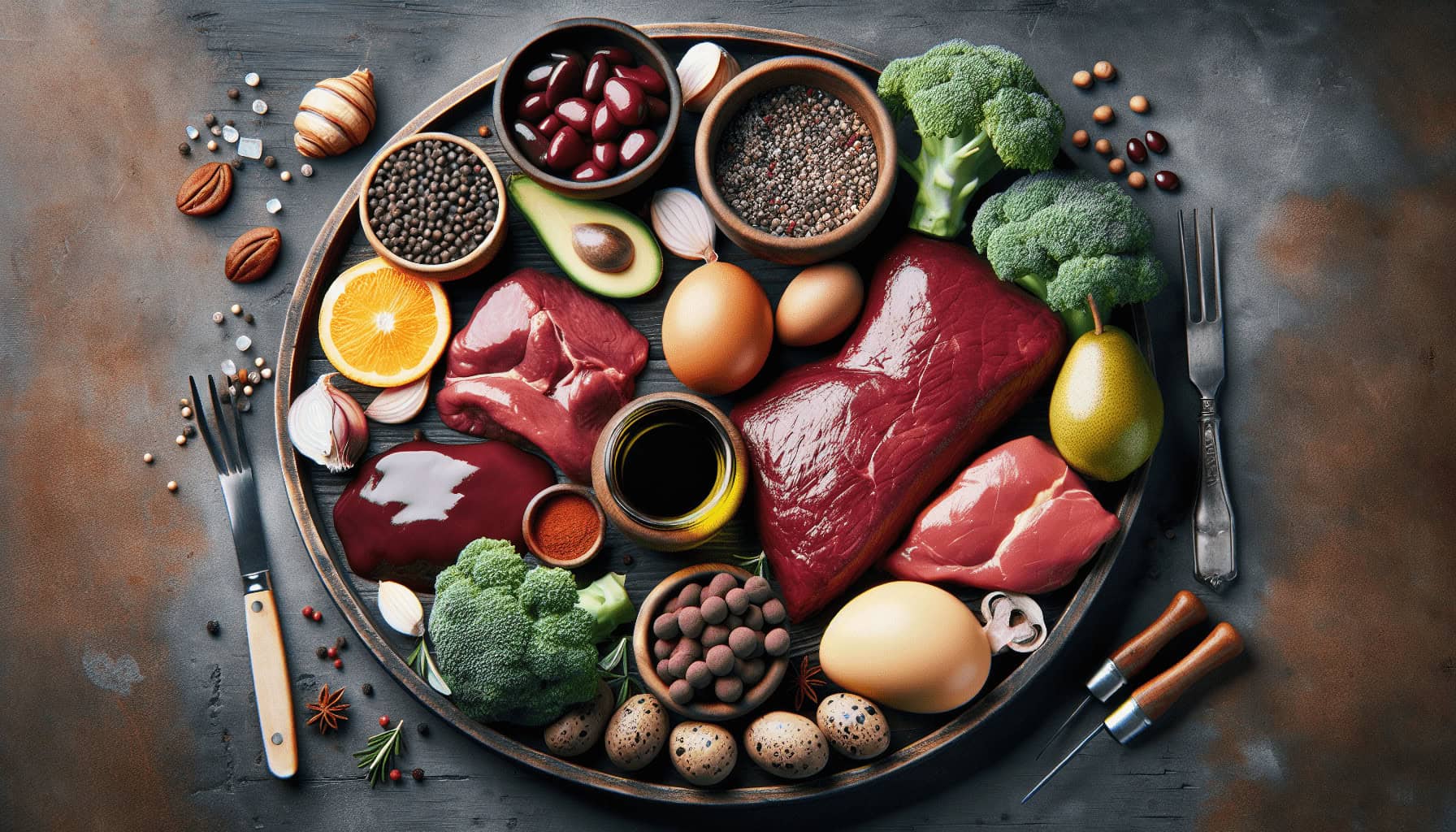
Tips for Optimizing Iron Absorption
While consuming iron-rich foods is essential for meeting your iron needs, there are also some tips you can follow to optimize iron absorption in the body. Here are some tips for improving iron absorption on a carnivore diet:
Pair Iron-Rich Foods with Vitamin C
Vitamin C is known to enhance iron absorption in the body, so it is a good idea to pair iron-rich foods with sources of vitamin C. You can include foods such as citrus fruits, bell peppers, and broccoli in your meals to help improve iron absorption.
Avoid Consuming Calcium and Iron Together
Calcium can inhibit iron absorption in the body, so it is best to avoid consuming calcium-rich foods or supplements at the same time as iron-rich foods. You can space out your intake of calcium and iron throughout the day to ensure optimal absorption.
Cook Foods in Cast Iron
Cooking foods in cast iron cookware can increase the iron content of your meals, which may help improve iron absorption. You can try cooking your meat in cast iron pans or skillets to benefit from this additional source of dietary iron.
Consider Iron Supplements
If you are struggling to meet your iron needs through diet alone, you may want to consider taking an iron supplement. It is essential to consult with a healthcare provider before starting any supplements to ensure that you are taking the right dosage for your needs.
By incorporating these tips into your carnivore diet, you can help optimize iron absorption and ensure that you are meeting your nutritional needs for this essential mineral.
Conclusion
Meeting your iron needs on a carnivore diet is essential for maintaining good health and well-being. By focusing on consuming nutrient-dense foods rich in iron, such as beef liver, heart, kidney, and red meat, you can ensure that you are meeting your daily intake of this essential mineral.
Incorporating tips for optimizing iron absorption, such as pairing iron-rich foods with vitamin C and avoiding consuming calcium and iron together, can further improve your body’s ability to absorb iron. If needed, consider taking an iron supplement under the guidance of a healthcare provider to ensure that you are meeting your iron needs.
By following these guidelines and including the best sources of dietary iron in a carnivore diet, you can enjoy a healthy and thriving lifestyle while reaping the benefits of a meat-based diet.