
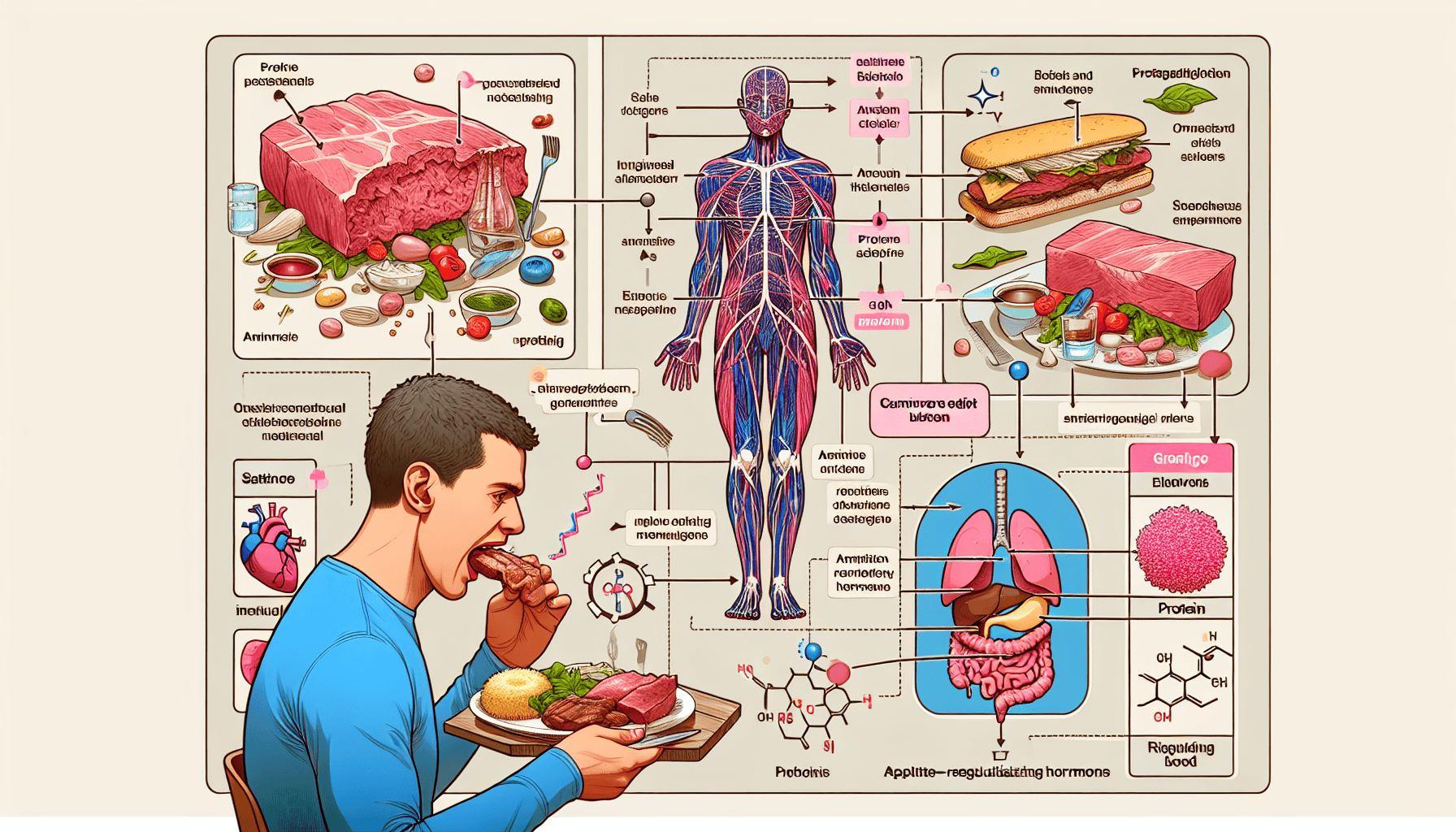
Imagine a diet where you can indulge in juicy steaks, tender chicken, and succulent bacon, all while feeling satisfied and full. Sound too good to be true? Well, prepare to have your taste buds tantalized and your hunger pangs appeased as we explore the fascinating science of satiety on a carnivore diet. In this article, we’ll uncover the secrets behind why this bold and meaty approach to eating can keep you feeling content and nourished, without the need for traditional carbohydrates or plant-based foods. Get ready to sink your teeth into the science behind satiety on the carnivore diet!
Understanding Satiety and its Importance
Definition of Satiety
Satiety is the feeling of fullness and satisfaction that occurs after eating a meal. It is the body’s way of signaling that you have had enough to eat and preventing overeating. When you experience satiety, you feel content and no longer have the desire to continue eating.
The role of Satiety in Weight Management
Satiety plays a crucial role in weight management as it helps control calorie intake. When you feel satisfied after a meal, you are less likely to snack on unhealthy foods or consume excess calories throughout the day. This is especially important for those looking to lose weight or maintain a healthy weight.
By focusing on foods that promote satiety, you can feel fuller for longer periods and reduce the chances of overeating. This can lead to better weight management and improved overall health.
How Satiety Affects Food Cravings
Satiety also greatly influences food cravings. When you are not satiated, your body may still signal a need for more food, leading to cravings for high-calorie, sugar-laden, or processed foods. This can be detrimental to weight management goals and make it more challenging to stick to a healthy eating plan.
By prioritizing satiety, you can help reduce these cravings and make healthier food choices. Feeling satisfied after a meal decreases the desire for unhealthy snacks and promotes a more balanced approach to eating.
Brain Mechanisms Involved in Satiety
Satiety is regulated by complex brain mechanisms that involve various hormones and neurotransmitters. These mechanisms work together to signal the brain when you have had enough to eat and to promote feelings of fullness and satisfaction.
Hormones such as leptin, ghrelin, and peptide YY play a significant role in regulating satiety. Leptin, produced by fat cells, signals the brain to decrease appetite, while ghrelin, known as the “hunger hormone,” stimulates appetite. Peptide YY is released by the gut in response to food intake, signaling fullness.
Understanding these brain mechanisms can help us make informed choices about the types of foods that promote satiety and support our weight management goals.
Key Factors Influencing Satiety
Protein Content of the Diet
The protein content of your diet has a profound impact on satiety. Protein is known to be the most satiating macronutrient compared to carbohydrates and fats. Including an adequate amount of protein in your meals can help you feel full for longer periods, reducing the likelihood of overeating.
Protein-rich foods such as lean meats, poultry, fish, and eggs are highly satiating and can be beneficial for those following a carnivore diet. These protein sources not only promote satiety but also provide essential amino acids necessary for muscle building and repair.
Effect of Fat Consumption on Satiety
Fat consumption also plays a role in satiety. Including healthy fats such as avocados, olive oil, and nuts in your meals can increase feelings of fullness and satisfaction. Fat takes longer to digest, which prolongs the feeling of satiety and reduces the urge to snack between meals.
While fat can be an important component of a satiating meal, it is essential to choose healthy sources of fat and avoid excessive intake to stay within your calorie goals and maintain overall health.
The Impact of Fiber Intake on Satiety
Fiber is another factor that can influence satiety. However, on a carnivore diet, which primarily consists of animal products, fiber intake may be limited compared to a plant-based diet. While fiber is known for its ability to promote satiety, carnivore dieters can still achieve satiety through other mechanisms.
It’s worth noting that carnivore dieters can consume certain low-carb vegetables like leafy greens and cruciferous vegetables, which provide some fiber content. Additionally, focusing on protein and fat intake can compensate for the reduced fiber intake.
Role of Food Volume in Satiety
The volume of food consumed can also impact satiety. Foods with a higher volume but lower calorie content, such as vegetables and lean proteins, can help you feel fuller without excessive calorie intake. Choosing nutrient-dense foods that provide a larger quantity for fewer calories can contribute to increased satiety.
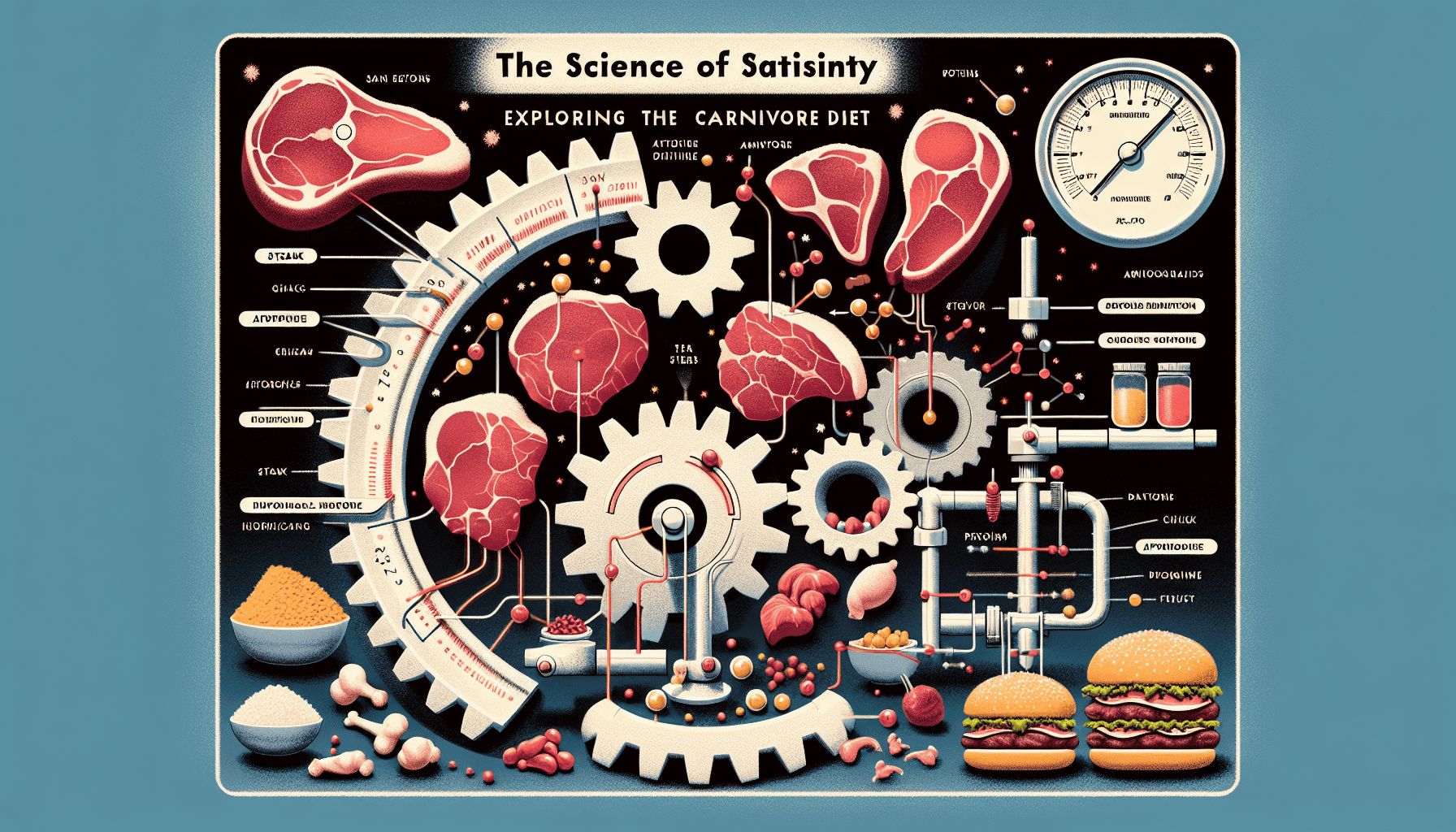
Satiety on a Carnivore Diet
Overview of the Carnivore Diet
The carnivore diet is a dietary approach that consists mainly of animal products, including meat, fish, poultry, and eggs, while excluding carbohydrates and plant-based foods. It is a high-protein, high-fat, and low-carbohydrate diet.
Protein-Rich Nature of the Diet
A significant advantage of the carnivore diet when it comes to satiety is its protein-rich nature. Animal products are excellent sources of high-quality proteins that promote feelings of fullness and help maintain muscle mass. Including ample amounts of protein in each meal can enhance satiety on a carnivore diet.
High-Fat Content and Satiety
The carnivore diet also incorporates a high-fat content, which aids in satiety. Fats take longer to digest, providing a longer-lasting feeling of fullness. It is crucial, however, to focus on incorporating healthy sources of fats, such as fatty fish, grass-fed meats, and monounsaturated fats from avocados and olive oil.
Limited Role of Fiber on a Carnivore Diet
Unlike plant-based diets that emphasize fiber intake, a carnivore diet typically provides minimal dietary fiber. While fiber is known to promote satiety, meat and animal products can still provide satiety through other mechanisms, such as protein and fat content. By ensuring adequate protein and fat intake, carnivore dieters can still achieve and maintain satiety.
The Role of Protein in Satiety
Protein’s Effect on Hunger Hormones
Protein has a significant impact on hunger hormones, making it an essential nutrient for satiety. High-protein meals help suppress ghrelin, the hunger hormone, and stimulate the release of satiety hormones like peptide YY and cholecystokinin.
Consuming an adequate amount of protein on a carnivore diet can help regulate hunger and promote feelings of fullness.
Mechanisms Through Which Protein Increases Satiety
Protein increases satiety through several mechanisms. It affects the release of hormones that regulate appetite, slows down stomach emptying, and stimulates the release of gut peptides that signal fullness to the brain. Additionally, protein requires more energy to digest, further contributing to satiety.
Optimal Protein Intake for Satiety on a Carnivore Diet
To maximize satiety on a carnivore diet, it is important to consume an appropriate amount of protein. While individual needs may vary, aiming for a protein intake of around 0.6-1 gram per pound of body weight is often recommended.
Different Sources of Protein and Their Satiety Effects
When it comes to protein sources, opt for lean meats, fish, and poultry to maximize satiety on a carnivore diet. These animal protein sources contain essential amino acids and are highly satiating. Including a variety of protein sources in your diet can also promote a balanced nutrient intake.
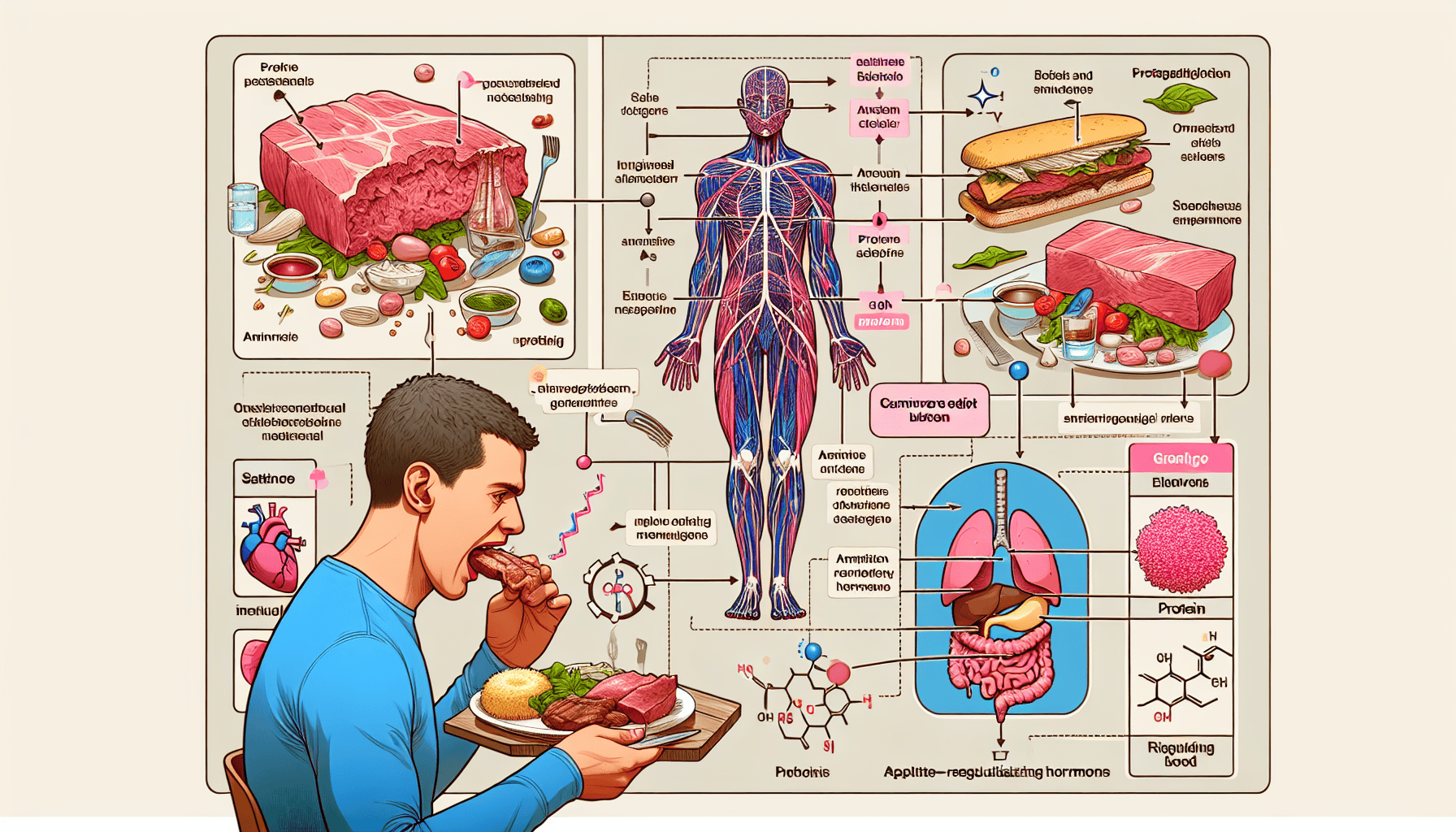
Impacts of Fat Consumption on Satiety
The Satiating Properties of Dietary Fat
Fat consumption can enhance satiety due to its slow digestion and prolonged energy release. Including healthy fats in your carnivore diet can increase the feeling of fullness after a meal and reduce the desire to snack.
Role of Fat in Balancing Blood Sugar Levels
Fat intake can also help stabilize blood sugar levels, preventing rapid spikes and crashes that can lead to increased hunger and cravings. By promoting stable blood sugar levels, fat consumption contributes to overall satiety.
Effect of Fat on Gut Hormone Release
Fat consumption affects the release of gut hormones that regulate appetite and satiety. It stimulates the release of peptide YY and cholecystokinin, both of which signal fullness to the brain.
By incorporating appropriate amounts of healthy fats in your meals, you can enhance satiety and maintain a balanced hormonal response.
Strategies to Optimize Fat Intake for Satiety
To optimize fat intake for satiety on a carnivore diet, focus on incorporating healthy sources of fat such as avocados, olives, nuts, seeds, and fatty fish. These fats provide essential nutrients and promote feelings of fullness.
Fiber’s Limited Role in Satiety on a Carnivore Diet
Understanding the Role of Fiber in Satiety
Fiber is known for its role in promoting satiety, but on a carnivore diet, where plant-based foods are limited, fiber intake may be reduced. However, it’s important to note that fiber is not the only factor influencing satiety.
Contrasting Fiber Intake on Plant-Based vs. Carnivore Diets
Plant-based diets are typically high in dietary fiber due to the abundance of fruits, vegetables, legumes, and whole grains. These sources of fiber contribute to increased feelings of fullness and help regulate digestion.
On the other hand, a carnivore diet focuses primarily on animal products, resulting in reduced fiber intake. However, carnivore dieters can still achieve and maintain satiety through other mechanisms, such as protein and fat consumption.
Alternative Sources of Fiber on a Carnivore Diet
While a carnivore diet limits the intake of traditional fiber sources, some low-carb vegetables like leafy greens and cruciferous vegetables can still provide some fiber content. These vegetables can be included in a carnivore diet to add variety and contribute to overall satiety.
Compensating for Reduced Fiber Intake
To compensate for the reduced fiber intake on a carnivore diet, it is essential to focus on other satiating factors such as protein and fat content. Prioritizing nutrient-dense foods and ensuring a well-rounded macronutrient balance can help maintain satiety even with reduced fiber intake.
Exploring the Psychological Aspect of Satiety
The Impact of Taste and Sensory Experience on Satiety
The sensory experience of eating, including taste, texture, and aroma, influences satiety. When you truly savor and enjoy your food, you tend to feel more satisfied. This is why paying attention to the sensory aspects of your meals can enhance satiety on a carnivore diet.
Psychological Factors Influencing Satiety Perception
Psychological factors such as stress, mood, and mindset also affect satiety perception. Stress eating, emotional eating, and mindless eating can lead to a disconnection between the body’s satiety signals and actual fullness.
By practicing mindful eating and paying attention to hunger and fullness cues, you can improve satiety and have a healthier relationship with food on a carnivore diet.
Mindful Eating and Its Effect on Satiety
Mindful eating involves being fully present during meals, savoring each bite, and paying attention to hunger and satiety cues. By practicing mindful eating on a carnivore diet, you can enhance satiety and make more conscious food choices.
Addressing Emotional Eating on a Carnivore Diet
Emotional eating is a common challenge for many individuals, regardless of their dietary approach. It is important to find alternative ways to cope with emotions and stress instead of turning to food for comfort. Engaging in stress-reducing activities, seeking support, and practicing self-care can help address emotional eating tendencies and promote satiety on a carnivore diet.
Practical Strategies to Maximize Satiety on a Carnivore Diet
Meal Composition for Optimal Satiety
To maximize satiety on a carnivore diet, aim for balanced meals that include a combination of protein, healthy fats, and, if desired, low-carb vegetables. This macronutrient balance can provide a satisfying and nourishing meal that supports feelings of fullness.
Incorporating Lean Meats to Increase Protein Content
While the carnivore diet emphasizes animal products, it’s important to prioritize lean cuts of meat to prevent excessive fat intake and maintain a balanced macronutrient profile. Lean meats such as chicken breast, turkey, and venison can help increase protein content while minimizing fat intake.
Selecting Satiating Fats for Meal Preparation
Choose heart-healthy fats like avocados, olive oil, and nuts when preparing your carnivore meals. These fats not only contribute to satiety but also provide essential nutrients and promote overall health.
The Inclusion of Herbs and Spices to Enhance Satiety
Herbs and spices can add flavor to carnivore meals, making them more enjoyable and enhancing satiety. Experiment with different herbs and spices to create satisfying and appetizing dishes.
Long-Term Satiety and Weight Maintenance on a Carnivore Diet
Studying Long-Term Adherence to a Carnivore Diet
While the carnivore diet has gained popularity, long-term adherence and sustainability are important factors to consider. Studies exploring the long-term effects and outcomes of a carnivore diet are limited, making it necessary to approach it with caution.
Successful Weight Maintenance Strategies
Maintaining weight loss can be a challenge for many individuals, regardless of their dietary approach. Incorporating strategies such as regular physical activity, portion control, and a balanced macronutrient distribution can aid in long-term weight maintenance on a carnivore diet.
The Impact of Satiety on Sustained Results
Satiety is a crucial factor in achieving sustained weight loss and weight maintenance. By focusing on eating satiating meals that prioritize protein, healthy fats, and, if desired, low-carb vegetables, you can support long-term adherence to a carnivore diet and achieve sustainable results.
Balancing Nutrient Intake for Overall Health
While satiety is important for weight management, it’s crucial to prioritize overall health. A balanced and varied diet, including a wide range of nutrient-dense foods, is essential to ensure adequate intake of all essential nutrients. Balancing nutrient intake alongside satiety considerations is key to both short and long-term success on a carnivore diet.
Future Directions in Research on Satiety and Carnivore Diets
Areas of Study to Further Understand Satiety Mechanisms
Further research is needed to better understand the mechanisms behind satiety and how different dietary patterns, including a carnivore diet, influence these mechanisms. Exploring the role of gut hormones, neural pathways, and individual responses to specific nutrients can contribute to our understanding of satiety regulation.
Comparative Studies with Other Dietary Patterns
Comparative studies that examine the differences in satiety responses between a carnivore diet and other dietary patterns such as plant-based diets, Mediterranean diets, or low-fat diets can help shed light on the unique satiating properties of each approach.
Exploring the Individual Variability in Satiety Responses
Individual responses to satiety can vary significantly. Factors such as age, sex, genetics, and metabolic health can influence how individuals perceive and experience satiety. Understanding these individual variations can support personalized dietary approaches and improve satiety-related outcomes.
Understanding Satiety in Different Populations
Research on satiety should also explore diverse populations, including individuals with specific health conditions or dietary requirements. By understanding how satiety works in these populations, targeted strategies can be developed to address their unique needs and challenges.
In conclusion, understanding the science of satiety on a carnivore diet can help individuals make informed choices to enhance satiety, support weight management goals, and maintain overall health. By considering factors such as protein, fat, fiber, and the psychological aspects of satiety, individuals can optimize their carnivore diet experience and achieve sustainable results. Further research is needed to deepen our understanding of satiety mechanisms and explore the unique aspects of satiety on a carnivore diet.