
Welcome to an exploration of the important relationship between protein quality and its impact on diabetes and metabolic health. In this article, we will delve into how the type and source of protein you consume can have a significant effect on your overall well-being. By understanding the role of protein in managing diabetes and maintaining metabolic health, you will be equipped with valuable knowledge to make informed decisions about your diet and lifestyle. Let’s embark on this journey together to discover the vital connection between protein quality and your health.
Have you ever wondered how the quality of protein you consume can impact your diabetes and metabolic health?
When it comes to managing diabetes and maintaining good metabolic health, nutrition plays a crucial role. Protein is a vital macronutrient that is essential for overall health, but not all proteins are created equal. The quality of protein you consume can greatly affect your blood sugar levels, insulin sensitivity, and overall metabolic health. In this article, we will explore the impact of protein quality on diabetes and metabolic health, and provide you with valuable information to help you make informed choices about your diet.
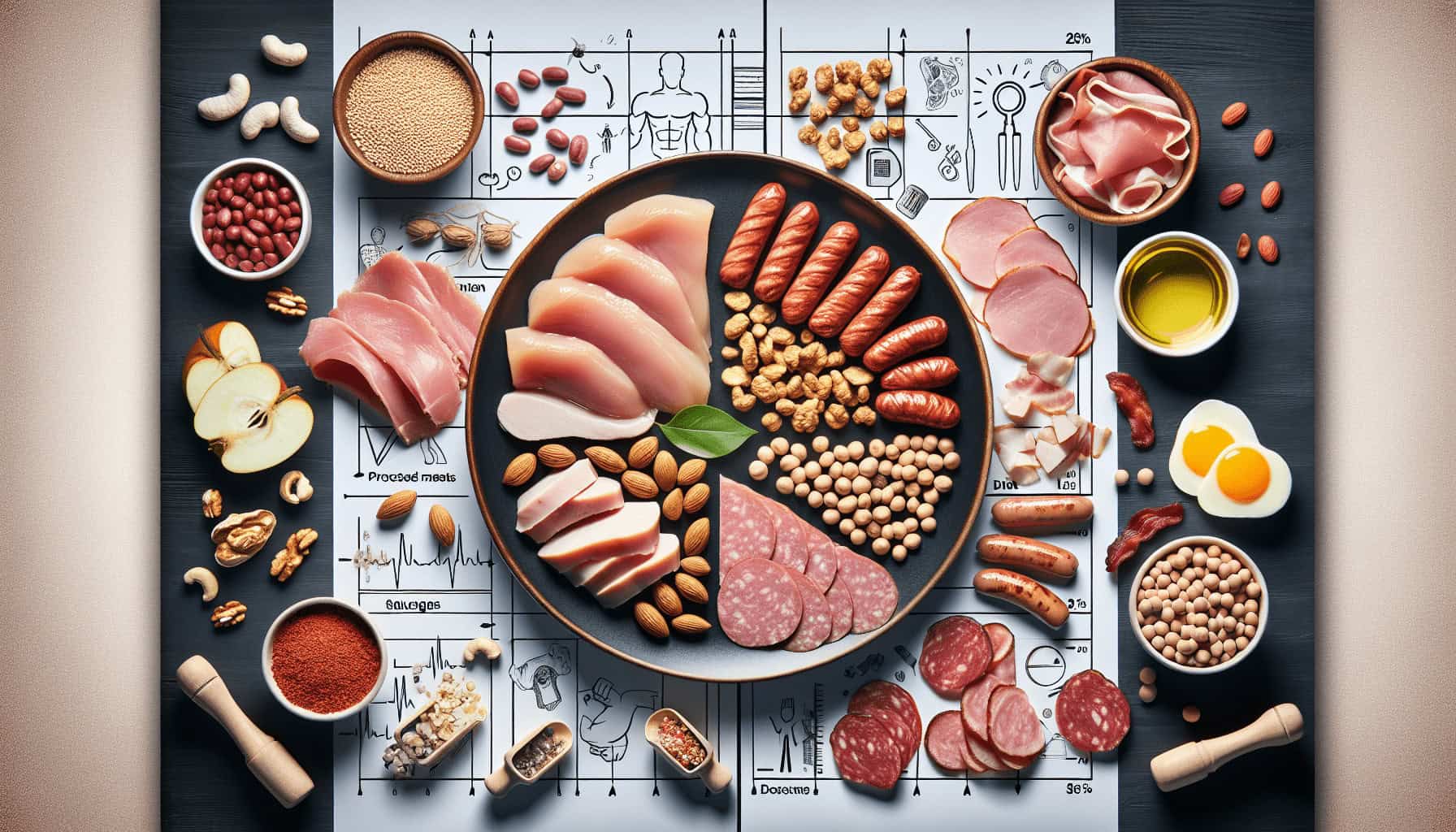
Understanding the Basics of Protein
Before diving into the impact of protein quality on diabetes and metabolic health, it’s important to have a basic understanding of what protein is and why it is essential for our bodies. Protein is made up of amino acids, which are the building blocks of our cells, tissues, and organs. Our bodies need protein to repair and build tissues, support immune function, and regulate hormones.
In addition, protein plays a vital role in maintaining muscle mass, which is particularly important for individuals with diabetes. Muscle tissue is a major site for glucose uptake, and preserving muscle mass can help improve blood sugar control and insulin sensitivity.
Why is protein quality important?
Not all proteins are equal in terms of their amino acid composition and digestibility. The quality of a protein is determined by its amino acid profile and how easily our bodies can digest and absorb it. High-quality proteins provide all the essential amino acids our bodies need in the right proportions.
Low-quality proteins, on the other hand, may lack certain essential amino acids or be difficult to digest, leading to poor absorption and utilization by the body. Consuming high-quality proteins is essential for supporting muscle health, metabolic function, and overall well-being.
Impact of Protein Quality on Blood Sugar Regulation
One of the key factors that determine how a protein impacts blood sugar levels is its glycemic index (GI). The GI is a measure of how quickly a carbohydrate-containing food raises blood sugar levels. Proteins do not directly raise blood sugar levels like carbohydrates do, but they can indirectly affect blood sugar regulation through various mechanisms.
How do high-quality proteins help regulate blood sugar levels?
High-quality proteins have a low glycemic index and are digested and absorbed more slowly than low-quality proteins. This slower digestion can help prevent rapid spikes in blood sugar levels after meals, promoting better blood sugar control and reducing the risk of insulin resistance.
In addition, high-quality proteins stimulate the release of hormones that help regulate blood sugar levels, such as insulin and glucagon-like peptide 1 (GLP-1). These hormones play a key role in glucose metabolism and can help improve insulin sensitivity and reduce the risk of diabetes complications.
Which protein sources are considered high-quality?
Some examples of high-quality protein sources include:
- Lean meats such as chicken, turkey, and lean cuts of beef
- Fish and seafood
- Eggs
- Dairy products like Greek yogurt and cottage cheese
- Plant-based sources such as tofu, tempeh, legumes, and quinoa
Including a variety of high-quality protein sources in your diet can help support blood sugar regulation and overall metabolic health.

Protein Quality and Muscle Health
Maintaining muscle mass is important for overall health, especially for individuals with diabetes. Muscle tissue is a major site for glucose uptake, and preserving muscle mass can help improve insulin sensitivity and blood sugar control.
How does protein quality influence muscle health?
High-quality proteins provide all the essential amino acids needed for muscle growth and repair. Consuming adequate amounts of high-quality protein can help support muscle protein synthesis, the process by which new muscle tissue is formed. This is particularly important for individuals with diabetes, as they may be at higher risk of muscle loss due to insulin resistance and other metabolic factors.
The role of protein timing and distribution
In addition to the quality of protein consumed, the timing and distribution of protein intake throughout the day can also impact muscle health. Consuming a sufficient amount of protein at each meal, especially breakfast and post-workout, can help maximize muscle protein synthesis and optimize muscle growth and repair.
Including high-quality proteins in every meal and snack can help support muscle health, improve metabolic function, and enhance overall well-being.
Protein Quality and Weight Management
Maintaining a healthy body weight is essential for preventing and managing diabetes and other metabolic conditions. High-quality proteins can play a key role in weight management by promoting feelings of fullness, reducing cravings, and supporting muscle mass.
How do high-quality proteins promote weight management?
High-quality proteins are rich in essential amino acids and provide greater satiety compared to low-quality proteins and carbohydrates. This can help reduce overall food intake, prevent overeating, and support weight loss or weight maintenance goals.
In addition, high-quality proteins require more energy to digest and metabolize, known as the thermic effect of food (TEF). This can increase overall energy expenditure and help support a healthy metabolism.
Tips for incorporating high-quality proteins into your diet
To maximize the benefits of high-quality proteins for weight management, consider the following tips:
- Include a source of protein in every meal and snack
- Choose lean protein sources such as chicken, fish, tofu, and legumes
- Opt for high-quality protein snacks like Greek yogurt, cottage cheese, or a handful of nuts
- Limit processed and red meats in favor of lean protein options
- Experiment with plant-based protein sources like tempeh, edamame, and quinoa
By prioritizing high-quality proteins in your diet, you can support weight management goals, improve metabolic health, and enhance overall well-being.
Conclusion
The quality of protein you consume can have a significant impact on your diabetes and metabolic health. High-quality proteins provide essential amino acids, support muscle health, regulate blood sugar levels, and promote weight management. By choosing a variety of high-quality protein sources and incorporating them into your meals and snacks, you can optimize your nutrition, support your metabolic function, and improve your overall well-being.
Remember to consult with a healthcare provider or registered dietitian before making significant changes to your diet, especially if you have diabetes or other medical conditions. They can provide personalized guidance and recommendations based on your individual needs and health goals.
Start making small changes today to prioritize high-quality proteins in your diet and experience the positive impact on your diabetes and metabolic health. Your body will thank you for it!