

When it comes to maintaining a balanced carnivore diet, choosing the right practices can make all the difference. Whether you’re a dedicated carnivore or simply looking to incorporate more meat into your meals, understanding the best practices can help you optimize your nutrition and overall well-being. In this article, we will explore the key strategies for achieving balance and getting the most out of a carnivore diet, ensuring that you can enjoy all the benefits without compromising on your health.

Choosing Quality Meat
When it comes to following a carnivore diet, one of the key factors to consider is choosing high-quality meat. Grass-fed and pasture-raised options are often the recommended choice. Grass-fed animals have a diet that is more natural, which can result in meat that is leaner and richer in essential nutrients. Additionally, pasture-raised animals have the benefit of being raised in a more natural and humane environment, allowing them to roam freely and graze on a diverse range of plants. By choosing grass-fed and pasture-raised meat, you can ensure that you are consuming meat that is not only healthier for you, but also more sustainable for the environment.
Another important aspect to look for when selecting meat is whether it is organic and hormone-free. Organic meat is produced without the use of antibiotics, growth hormones, or genetically modified organisms (GMOs). By choosing organic meat, you can avoid potential harmful chemicals and additives that may be present in conventionally raised meat. Hormone-free meat is also essential as it eliminates the risk of consuming added hormones, which can disrupt the natural hormone balance in our bodies. By prioritizing organic and hormone-free options, you can be confident that you are nourishing your body with meat that is free from harmful substances.
Sourcing local and sustainable meat is also a great way to ensure that you are making environmentally-conscious choices. By supporting local farmers and businesses, you contribute to the local economy and reduce the carbon footprint associated with long-distance transportation of meat. Additionally, choosing sustainable meat means selecting options that are produced in a way that minimizes negative environmental impact. This can include factors such as regenerative farming practices, responsible land and water use, and animal welfare considerations. By opting for local and sustainable meat, you can have peace of mind knowing that you are making a positive impact on both your health and the environment.
Including a Variety of Animal Products
While a carnivore diet primarily focuses on animal products, it is important to include a variety of different types to ensure a well-rounded and balanced approach.
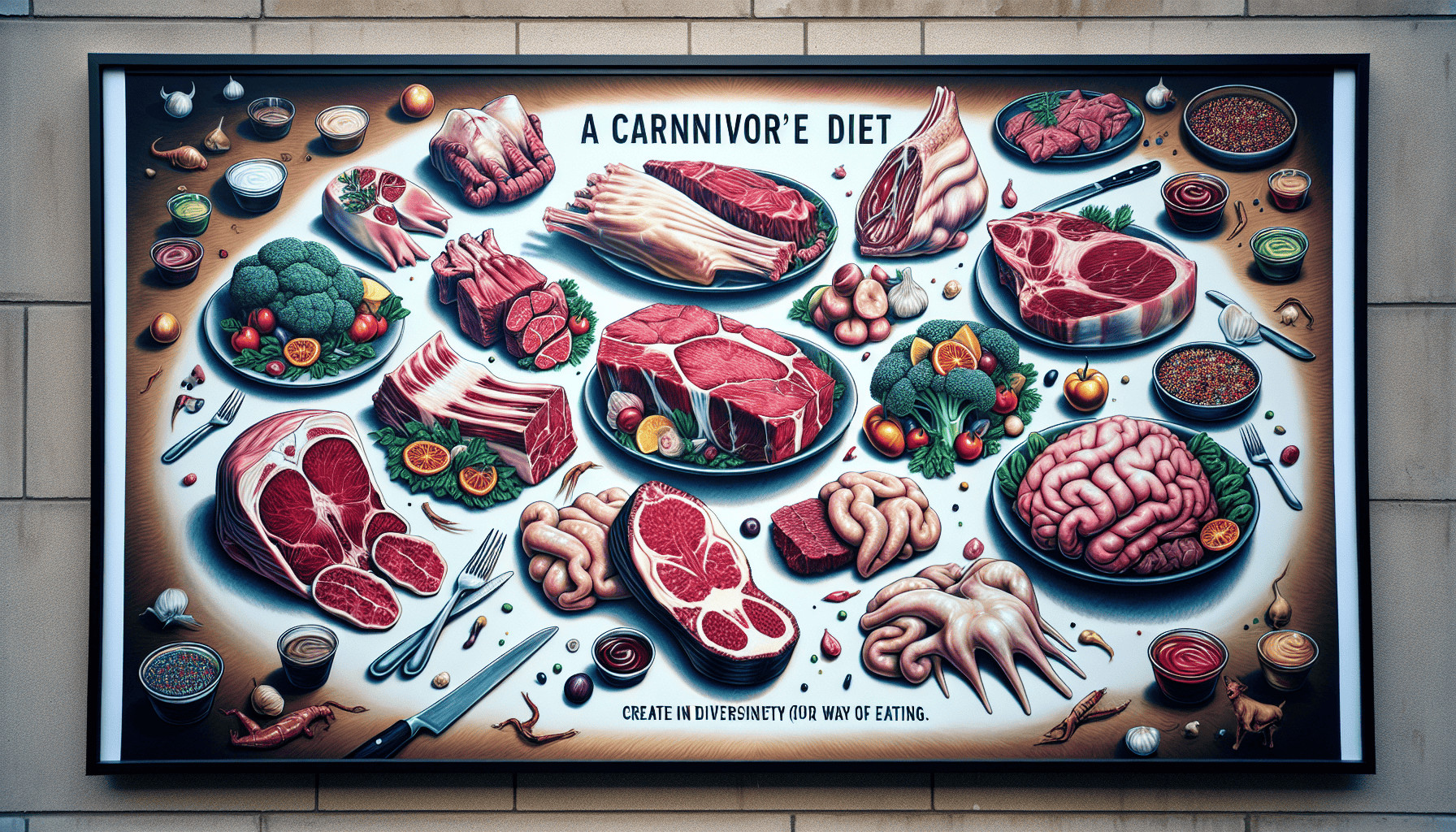
Red meat, such as beef, lamb, and pork, is a nutrient-dense choice that provides important vitamins and minerals like iron, zinc, and B vitamins. It is a valuable source of complete protein, which contains all essential amino acids our bodies need. Including a variety of different red meats can add diversity to your diet and provide a range of flavors and textures.
Poultry, including chicken and turkey, is another excellent choice for protein and essential nutrients. It tends to be lower in fat compared to red meat, making it a leaner option. Chicken, for example, is a good source of selenium, which plays a vital role in supporting immune function and antioxidant defense.
Fish and seafood are also valuable additions to a carnivore diet. They are rich in omega-3 fatty acids, which help support heart health and reduce inflammation in the body. Fatty fish like salmon, mackerel, and sardines are particularly high in omega-3s. Including a variety of fish and seafood in your diet can provide a range of flavors and textures, as well as important nutrients like iodine and vitamin D.
Organ meats, such as liver, kidney, and heart, offer a unique set of nutrients that are not as prominent in other types of meat. They are packed with essential vitamins and minerals like iron, vitamin A, and vitamin B12. Organ meats are highly regarded for their nutrient density and can be a valuable addition to a balanced carnivore diet.
Eggs and dairy products are also worth considering when following a carnivore diet. Eggs are an excellent source of complete protein, as well as important nutrients like choline and vitamin D. Dairy products like butter, cheese, and heavy cream can provide additional sources of healthy fats, vitamins, and minerals. However, it is important to note that some individuals may have sensitivities or intolerances to certain dairy products, so it’s important to listen to your body and make adjustments accordingly.
By including a variety of animal products in your carnivore diet, you can ensure that you are receiving a range of essential nutrients and enjoying a diverse and satisfying eating experience.
Optimizing Nutrient Intake
While a carnivore diet can provide many important nutrients, it is crucial to focus on optimizing nutrient intake to support overall health and wellbeing.
One aspect to consider is nutrient density. By choosing nutrient-dense animal products, you can ensure that you are getting the maximum amount of essential vitamins and minerals in your diet. For example, choosing organ meats like liver can provide a concentrated source of nutrients like iron, vitamin A, and vitamin B12. Similarly, fatty cuts of meat can offer a rich source of fat-soluble vitamins like vitamin D and vitamin K2. By prioritizing nutrient-dense options, you can make the most out of your carnivore diet.
In addition to nutrient density, it is important to maintain a balance of essential nutrients in your diet. While a carnivore diet can provide many important vitamins and minerals, certain nutrients like vitamin C and fiber are predominantly found in plant-based foods. To ensure you are meeting all your nutritional needs, consider including small amounts of nutrient-rich plant foods. Examples include low-carbohydrate vegetables like spinach and kale, or herbs and spices like parsley and turmeric. These additions can provide valuable micronutrients and antioxidants that may not be as prevalent in animal products alone.
Monitoring vitamin and mineral levels is also important to ensure you are meeting your specific nutritional requirements. Regular blood tests, specifically checking for nutrient deficiencies, can help identify any potential deficiencies and allow you to adjust your diet accordingly. Consulting with a healthcare professional or registered dietitian who is knowledgeable about the carnivore diet can provide valuable guidance in optimizing your nutrient intake.
By focusing on nutrient density, balancing essential nutrients, and monitoring vitamin and mineral levels, you can optimize your nutrient intake on a carnivore diet to support your overall health and wellbeing.
Prioritizing Healthy Fats
Healthy fats play a crucial role in supporting various bodily functions and are an essential part of a balanced carnivore diet.
Choosing high-quality animal fats is important to ensure you are consuming beneficial fats and avoiding harmful ones. Fats from pastured animals, such as grass-fed beef or wild game, tend to have a healthier fatty acid profile compared to conventionally raised animals. These fats are typically higher in omega-3 fatty acids and lower in omega-6 fatty acids, which can help balance the omega-6 to omega-3 ratio in your diet.
Incorporating omega-3 fatty acids is also essential for optimal health. While fish and seafood are excellent sources of omega-3s, there are also options for those who prefer to avoid seafood. Supplements like fish oil or algae oil capsules can provide a concentrated source of omega-3s, ensuring you meet your daily requirements. Omega-3 fatty acids offer numerous health benefits, including reducing inflammation, supporting brain health, and promoting heart health.
When prioritizing healthy fats, it is important to avoid harmful trans fats. Trans fats are artificially created through a process called hydrogenation and are commonly found in processed foods, margarine, and fried foods. These fats have been linked to various health issues, including heart disease and inflammation. By avoiding processed foods and focusing on high-quality animal fats, you can ensure that you are consuming fats that are beneficial for your health.
By prioritizing healthy fats in your carnivore diet, you can support various bodily functions, promote optimal health, and enjoy satisfying and delicious meals.
Managing Protein Intake
Protein is a crucial macronutrient that plays a fundamental role in a carnivore diet. However, it is important to manage protein intake to ensure you are consuming the right amount and from a variety of sources.
Finding the right amount of protein for your individual needs is essential. Protein requirements can vary based on factors such as age, sex, body composition, and activity level. Consulting with a healthcare professional or registered dietitian can help determine your specific protein needs and ensure you are consuming an appropriate amount to support your overall health and wellbeing.
Diversifying protein sources is also important to ensure you are getting a range of essential amino acids. Different animal products have varying amino acid profiles. By including a variety of animal products in your diet, you can ensure that you are getting a wide array of essential amino acids to support various bodily functions.
Taking individual needs into account is crucial when managing protein intake. For example, athletes or individuals with higher activity levels may require a slightly higher protein intake to support muscle repair and recovery. Similarly, older adults may benefit from a higher protein intake to help preserve muscle mass and prevent age-related muscle loss. By considering your individual needs and adjusting your protein intake accordingly, you can optimize your carnivore diet to support your specific goals and circumstances.
Including Adequate Fiber
While a carnivore diet typically prioritizes animal products, it is important to consider including adequate fiber to support digestive health.
Fiber plays a vital role in maintaining a healthy gastrointestinal system. It helps support regular bowel movements, promotes the growth of beneficial gut bacteria, and aids in the maintenance of a healthy gut lining. While plant foods are the primary source of dietary fiber, it is possible to obtain fiber from animal sources as well.
Certain animal products like organ meats and connective tissues, such as bone broth or tendons, can contain soluble fiber. These types of fiber can be beneficial for digestive health. Including these options in your carnivore diet can help ensure you are getting some fiber, albeit in smaller amounts compared to plant-based sources.
If necessary, supplementing with plant-based fiber can also be an option. This can be particularly relevant for individuals who struggle with digestive issues or who have specific dietary needs. However, it is important to note that excessive fiber intake from supplements or high-fiber plant sources may not align with the principles of a strict carnivore diet. It is vital to listen to your body and seek guidance from a healthcare professional or registered dietitian who can help tailor your approach to include adequate fiber while still maintaining the core principles of a carnivore diet.
By understanding the role of fiber, getting fiber from animal sources, and supplementing with plant-based fiber if necessary, you can support digestive health while adhering to a carnivore diet.
Maintaining Hydration
When following a carnivore diet, it is important to prioritize hydration to support overall health and digestion.
Water plays a key role in digestion, as it helps break down food, absorbed nutrients, and eliminate waste products. Ensuring you are adequately hydrated can help support optimal digestion and help prevent issues like constipation or digestive discomfort.
Drinking high-quality water is essential. Opt for filtered or spring water whenever possible to avoid potential contaminants or additives that may be present in tap water. Additionally, it is important to stay hydrated throughout the day by sipping water regularly rather than waiting until you feel thirsty.
Monitoring electrolyte balance is also important, particularly if you follow a strict carnivore diet. Electrolytes, such as sodium, potassium, and magnesium, are essential for maintaining proper hydration and promoting optimal cell and muscle function. Including foods like bone broth or electrolyte-rich drinks can help ensure you are getting an adequate balance of electrolytes.
By understanding the importance of water for digestion, drinking high-quality water, and monitoring electrolyte balance, you can maintain optimal hydration and support overall health while following a carnivore diet.
Balancing Macronutrient Ratios
The macronutrient ratios in a carnivore diet can vary depending on individual goals and preferences. It is important to explore different ratios, consider personal goals and health conditions, and experiment with meal timing to find the optimal balance.
Exploring different ratios of protein, fat, and carbohydrates can help determine what works best for your body. Some individuals may thrive on higher fat ratios, while others may prioritize protein intake. It is essential to experiment with different ratios to find the one that supports your energy levels, satiety, and overall wellbeing.
Considering personal goals and health conditions is crucial when balancing macronutrient ratios. For example, individuals looking to lose weight may find that a higher protein and fat ratio provides better satiety and helps maintain muscle mass. On the other hand, individuals with certain health conditions, such as insulin resistance or metabolic disorders, may benefit from a lower carbohydrate intake. Consulting with a healthcare professional or registered dietitian can provide valuable guidance in finding the optimal macronutrient ratios for your specific goals and health needs.
Experimenting with meal timing can also be beneficial. Some individuals may find that intermittent fasting or time-restricted eating aligns well with their carnivore diet. Others may prefer smaller, more frequent meals throughout the day. Finding the meal timing that suits your lifestyle and supports your energy levels and digestive health can help optimize your carnivore diet experience.
By exploring different macronutrient ratios, considering personal goals and health conditions, and experimenting with meal timing, you can find the optimal balance in your carnivore diet and promote overall health and wellbeing.
Listening to Your Body
Listening to your body is key when following a carnivore diet. Being aware of hunger and satiety cues, noticing energy levels and mood, and adjusting your diet based on individual responses are all important aspects of maintaining a healthy and sustainable approach.
Being aware of hunger and satiety cues is essential to prevent overeating or undereating. Pay attention to how different foods make you feel and adjust portion sizes accordingly. Aim to eat until you feel comfortably satisfied, rather than overly full. This can help maintain a healthy relationship with food and support optimal digestion.
Noticing energy levels and mood is also important when following a carnivore diet. Different individuals may experience variations in energy levels and general mood depending on their unique metabolism and nutritional needs. By paying attention to how your body responds to different foods and adjusting as necessary, you can optimize your diet to support consistent energy levels and positive mood throughout the day.
Adjusting the diet based on individual response is crucial for long-term success. While general principles can guide your carnivore diet, it is important to customize your approach to suit your body’s specific needs. This may include making adjustments to macronutrient ratios, protein sources, or meal timings. By taking the time to understand how your body responds to different dietary choices, you can create a sustainable and enjoyable carnivore diet that supports your overall health and wellbeing.
Working with a Healthcare Provider
When following a carnivore diet, it is important to work with a healthcare provider who is knowledgeable about this specific eating approach. Partnering with a carnivore diet-friendly professional can provide guidance and support for long-term health maintenance.
Finding a healthcare provider who is familiar with the carnivore diet can be essential in navigating potential challenges or concerns. They can offer personalized advice tailored to your individual needs and guide you in making informed decisions about your diet. They can also help monitor your health and ensure you are meeting your nutritional needs.
Getting regular check-ups and blood tests is crucial to monitoring your overall health while following a carnivore diet. Blood tests can help identify any potential nutrient deficiencies or imbalances that may arise from this way of eating. By regularly monitoring your health, you can address any issues promptly and make appropriate adjustments to your diet as needed.
Seeking guidance for long-term health maintenance is an important step in sustaining a balanced carnivore diet. A healthcare provider can offer ongoing support, answer any questions or concerns you may have, and provide accountability to help you stay on track with your dietary goals.
By working with a carnivore diet-friendly professional, getting regular check-ups and blood tests, and seeking guidance for long-term health maintenance, you can ensure that you are following a carnivore diet in a safe and sustainable manner.