
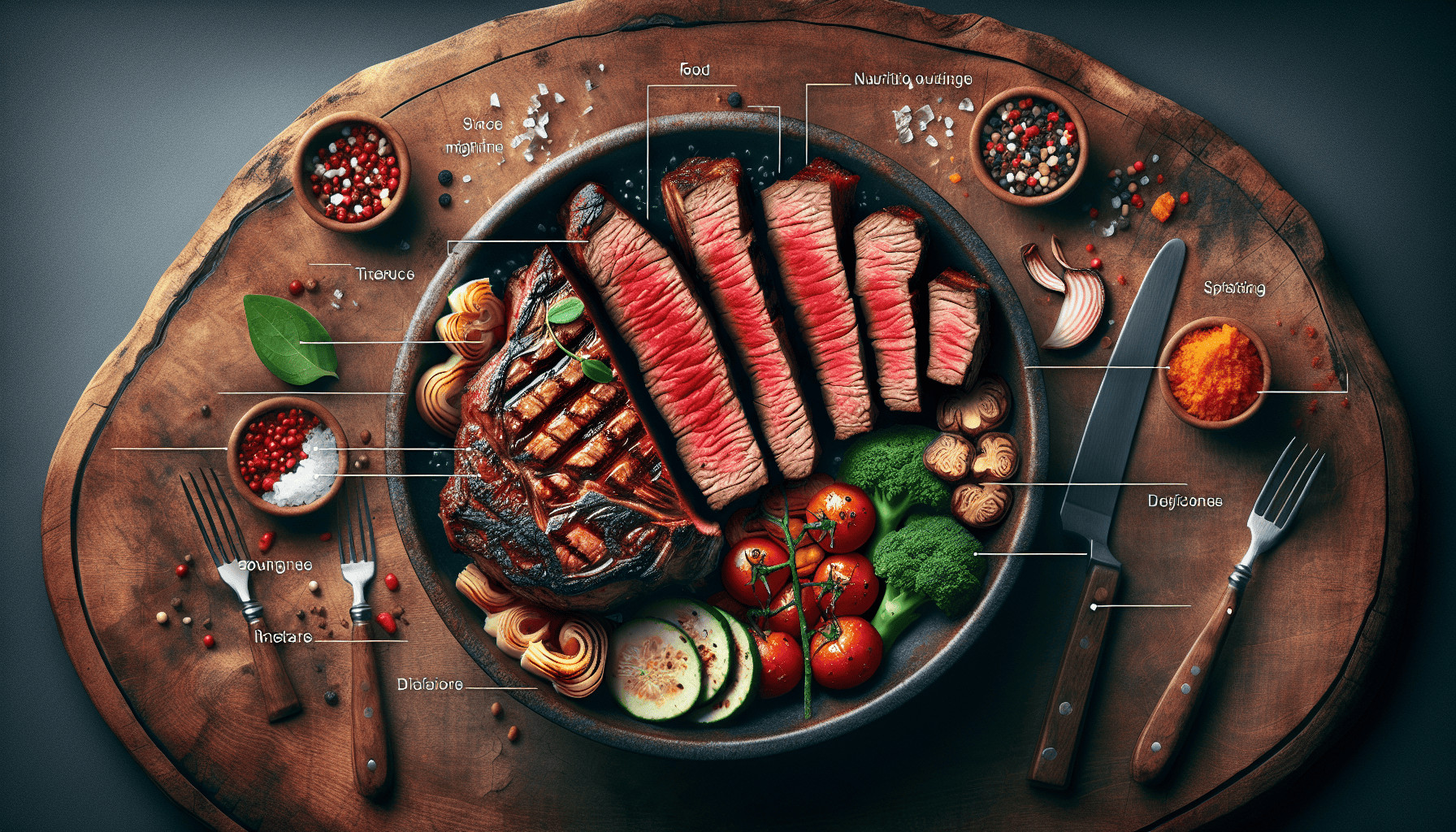
You’ve heard the buzz about the carnivore diet, but you have some concerns. Are you getting all the nutrients you need? Is it safe for long-term consumption? In this article, we will address common nutritional concerns on a carnivore diet and provide you with the information you need to make informed decisions about your dietary choices. Get ready to discover the truth behind this controversial eating plan in a friendly and informative manner.
Protein Intake
Understanding the importance of protein in a carnivore diet
Protein is a vital macronutrient that plays a crucial role in maintaining overall health and well-being. For individuals following a carnivore diet, understanding the importance of protein is essential. Protein is made up of amino acids, which are the building blocks of our body tissues, including muscles, organs, and skin. It is involved in various bodily processes, such as enzymatic reactions, hormone production, and immune function. Additionally, protein is crucial for promoting muscle growth and aiding in muscle recovery. As a carnivore, it is important to ensure you are consuming an adequate amount of protein to support these functions and maintain optimal health.
Calculating the optimal protein intake
Calculating the optimal protein intake for individuals on a carnivore diet can be a bit challenging. The recommended daily protein intake varies depending on factors such as age, sex, activity level, and goals. As a general guideline, it is recommended to consume around 0.8 to 1 gram of protein per kilogram of body weight. However, for individuals engaging in intense physical activity or looking to increase muscle mass, a higher protein intake may be necessary. Consulting with a healthcare professional or a registered dietitian can provide personalized guidance and help you determine the optimal protein intake for your specific needs.
Identifying high-quality protein sources
When following a carnivore diet, it is important to focus on consuming high-quality protein sources. These sources provide all essential amino acids that our bodies cannot produce on their own. Animal-based proteins are considered complete sources of protein, as they contain all nine essential amino acids. Opt for protein sources such as lean meats, poultry, fish, eggs, and dairy products to ensure you are meeting your body’s protein requirements. Including a variety of protein sources in your diet will also provide you with a wide range of essential nutrients.
Considering the role of protein in muscle growth and recovery
Protein plays a key role in muscle growth and recovery. During physical activity, especially resistance training, our muscles undergo micro-tears. Protein is essential for repairing and rebuilding these muscle tissues, leading to muscle growth and strength development. Consuming an adequate amount of protein post-workout can support muscle recovery and enhance the effectiveness of your exercise routine. Including high-quality protein sources in your meals and snacks throughout the day can ensure a consistent supply of amino acids to support muscle growth and recovery.
Vitamin and Mineral Balance
Recognizing potential deficiencies on a carnivore diet
Although a carnivore diet may provide ample amounts of essential vitamins and minerals, there is a risk of potential deficiencies in certain nutrients. Plant-based foods are often rich sources of various vitamins, minerals, and antioxidants that may be limited or absent in a carnivore diet. For example, vitamin C, which is commonly found in fruits and vegetables, is important for immune function and collagen synthesis. Addressing potential deficiencies through alternative sources or supplementation is crucial to maintain optimal health.
Identifying key vitamins and minerals for optimal health
To ensure proper vitamin and mineral balance on a carnivore diet, it is essential to identify key nutrients and their respective sources. Vitamins such as vitamin D, vitamin B12, and vitamin A are commonly found in animal-based foods. Vitamin D plays a crucial role in bone health, immune function, and hormonal regulation. Vitamin B12 is vital for nervous system function and the production of red blood cells. Vitamin A is essential for vision, immune function, and reproductive health. Minerals such as iron, zinc, and calcium are also important for overall health and can be found in animal-derived sources.
Exploring alternative sources for essential nutrients
While animal-based foods are rich sources of essential nutrients, individuals on a carnivore diet may consider exploring alternative sources to ensure adequate intake of certain vitamins and minerals. For example, fatty fish like salmon and sardines are excellent sources of omega-3 fatty acids, which are important for cardiovascular health and brain function. In cases where certain nutrients may be lacking, such as vitamin C, it may be necessary to consider supplementation or incorporating organ meats into the diet as they often contain higher levels of certain vitamins and minerals.
Monitoring blood levels and considering supplementation
Regular monitoring of blood levels can provide valuable insights into your nutritional status. By tracking your vitamin and mineral levels, you can identify any potential deficiencies and take appropriate actions to address them. If deficiencies are detected, supplementation may be necessary. However, it is important to consult with a healthcare professional or a registered dietitian before starting any supplementation regimen. They can guide you on the appropriate dosages and ensure that any supplementation aligns with your specific needs and goals.
Fiber Intake
Understanding the role of fiber in digestion
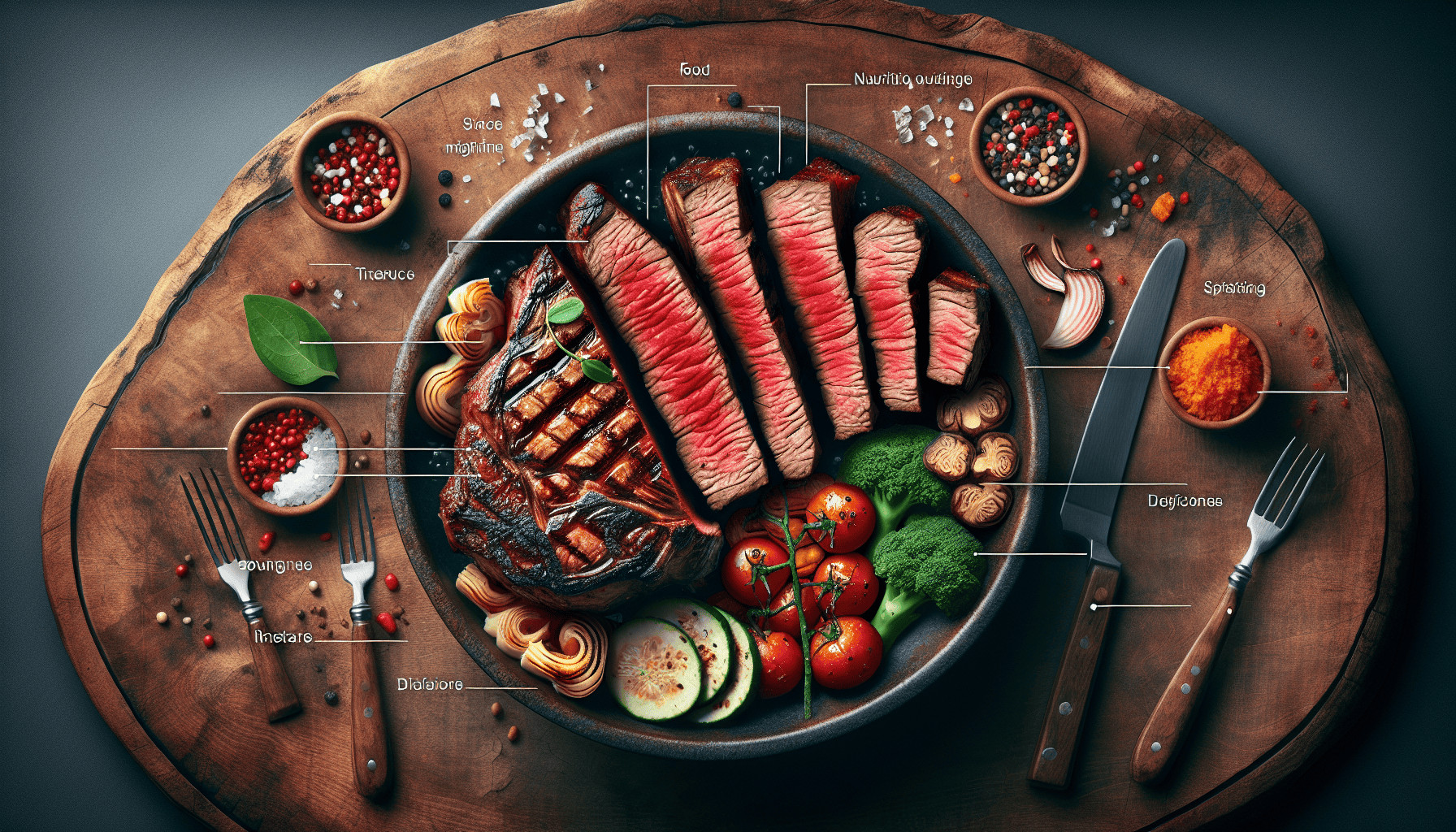
Fiber is a type of carbohydrate that cannot be digested by the human body. While it may not be an essential nutrient in the traditional sense, it plays a crucial role in maintaining digestive health. Fiber adds bulk to our stools, promotes regular bowel movements, and helps prevent constipation. It also acts as a prebiotic, providing nourishment to the beneficial bacteria in our gut, supporting a healthy gut microbiome. This is why it is important to understand the role of fiber when following a carnivore diet.
Exploring the claims surrounding fiber on a carnivore diet
The carnivore diet advocates for the elimination of all plant-based foods, including those rich in fiber. Proponents argue that the absence of fiber can lead to improved digestion and reduced gastrointestinal distress. However, it is important to approach these claims with caution. While some individuals may experience relief from certain digestive issues by reducing fiber intake, others may find that their digestion is negatively impacted. Each individual’s response to fiber restriction may vary, and it is crucial to listen to your body and make adjustments accordingly.
Recognizing potential challenges and solutions for adequate fiber intake
On a carnivore diet, obtaining fiber solely from animal-derived sources can be challenging due to its absence in meat, poultry, fish, and eggs. However, there are still some strategies to ensure your body’s fiber needs are met. Including small amounts of low-carbohydrate, fiber-rich plant foods, such as leafy greens or low-sugar fruits, in your diet can provide some dietary fiber without compromising the principles of a carnivore diet. Additionally, consuming collagen-rich foods like bone broth can also support gut health and provide some of the benefits associated with dietary fiber.
Considering long-term effects on gut health
The long-term effects of following a carnivore diet on gut health are still largely unknown. While some individuals may experience short-term improvements in digestive health, it is important to consider the potential long-term implications of restrictive fiber intake. Fiber acts as a fuel source for the beneficial bacteria in our gut, promoting their growth and diversity. Without an adequate intake of fiber, these bacteria may be negatively affected, potentially impacting long-term gut health. Monitoring gut health markers and working with a healthcare professional can help ensure that your digestive system remains healthy on a carnivore diet.
Healthy Fat Consumption
Exploring the importance of dietary fats on a carnivore diet
Dietary fats are a fundamental component of a carnivore diet and are crucial for various bodily functions. Fats provide energy, support hormone production, insulate organs, aid in the absorption of fat-soluble vitamins, and help maintain healthy skin and hair. Including healthy fats in your carnivore diet is essential for overall health and well-being.
Differentiating between healthy and unhealthy fats
Not all fats are created equal. It is important to differentiate between healthy and unhealthy fats to make informed dietary choices. Healthy fats, such as monounsaturated fats and polyunsaturated fats, are beneficial for heart health and overall well-being. These fats can be found in foods like fatty fish, avocados, nuts, and seeds. On the other hand, unhealthy fats, such as trans fats and saturated fats, should be limited or avoided as they can increase the risk of cardiovascular diseases. Foods high in unhealthy fats include processed meats, fried foods, and those containing hydrogenated oils.
Identifying optimal fat sources
When it comes to sourcing fats on a carnivore diet, it is important to choose high-quality options. Animal-based fats, such as those found in fatty cuts of meat, poultry skin, and full-fat dairy products, are excellent sources of healthy fats. Incorporating these sources into your diet can provide essential fatty acids, such as omega-3 and omega-6, which are important for brain health and inflammation control. Opt for grass-fed and pasture-raised animal products whenever possible, as they tend to have a healthier fatty acid profile.
Balancing fat intake for overall health
While healthy fats play a crucial role in a carnivore diet, it is important to maintain a balanced approach to fat consumption. Fats are calorie-dense, so it is important to be mindful of your overall energy intake to avoid excessive calorie consumption. To strike a balance, focus on incorporating moderate amounts of healthy fats into your meals. Avoid relying solely on fatty cuts of meat for fat intake, as this can lead to an imbalanced macronutrient profile. Pairing your proteins with non-starchy vegetables and incorporating small amounts of healthy fats can help ensure a well-rounded and balanced diet.

Micronutrient Variability
Understanding the limitations of nutrient variability in carnivore diets
While a carnivore diet may provide an abundance of essential micronutrients, there is a risk of variability in nutrient content depending on the specific animal-based foods consumed. Factors such as the animal’s diet, farming practices, and processing methods influence the nutritional composition of the meat. It is important to acknowledge this variability and take necessary steps to address potential nutrient deficiencies.
Exploring strategies to address potential micronutrient deficiencies
To address potential micronutrient deficiencies on a carnivore diet, it is important to focus on consuming a variety of animal-based foods. This includes not only muscle meats but also other parts of the animal, such as liver, kidneys, and bone marrow, which provide a diverse nutrient profile. Additionally, considering the quality of the animal-based foods you consume is crucial. Opt for pasture-raised, grass-fed, and organic sources whenever possible, as they tend to have higher nutrient content compared to conventionally raised animals.
Monitoring micronutrient intake for optimal health
Regular monitoring of micronutrient levels is important to ensure you are meeting your body’s nutritional needs on a carnivore diet. Blood tests can provide valuable information about potential deficiencies or imbalances. Working with a healthcare professional or a registered dietitian can help interpret these results and provide personalized guidance on adjusting your diet or incorporating targeted supplementation if needed. Remember that each individual has unique nutritional needs, and monitoring your own nutrient status is crucial for maintaining optimal health.
Considering individual needs and variations
It is important to recognize that individual nutrient needs and variations exist within the carnivore community. Factors such as age, sex, activity level, and overall health status can influence your specific nutritional requirements. What works for one person may not work for another. Listening to your body, being aware of your unique needs, and seeking professional guidance can help ensure that you are meeting your individual nutrient needs on a carnivore diet.
Hydration and Electrolyte Balance
Understanding the importance of hydration on a carnivore diet
Proper hydration is essential for overall health, regardless of the dietary approach you follow. Staying hydrated on a carnivore diet is important to support various bodily functions, including digestion, nutrient absorption, temperature regulation, and waste elimination. Drinking an adequate amount of water throughout the day ensures that your body stays properly hydrated and optimizes its processes.
Identifying potential electrolyte imbalances
On a carnivore diet, there is a potential risk of electrolyte imbalances. Electrolytes are minerals in our body, such as sodium, potassium, and magnesium, that carry electrical charges and play a crucial role in maintaining fluid balance, nerve function, and muscle contractions. A diet focused on animal-based foods may lack certain electrolytes that are commonly found in plant-based foods. It is important to be aware of these potential imbalances and take steps to maintain electrolyte balance.
Exploring natural sources of electrolytes
While plant-based foods are rich sources of electrolytes, there are still natural sources available for individuals on a carnivore diet. For example, high-quality salt, such as Himalayan pink salt or sea salt, is an excellent source of sodium and other trace minerals. Consuming electrolyte-rich bone broth or incorporating organ meats into your diet can also provide essential minerals. Ensuring an adequate intake of these natural sources can help maintain electrolyte balance on a carnivore diet.
Implementing strategies to maintain water and electrolyte balance
To maintain water and electrolyte balance on a carnivore diet, it is important to stay hydrated and consume electrolyte-rich foods. Drinking an adequate amount of water throughout the day, especially during physical activity or in hot weather, supports optimal hydration. Additionally, including electrolyte-rich foods or incorporating natural electrolyte supplements can help replenish essential minerals. Experimenting with different strategies and finding what works best for you will ensure that you maintain the right balance of hydration and electrolytes.
Blood Sugar Regulation
Exploring the effects of a carnivore diet on blood sugar levels
Blood sugar regulation is a crucial aspect of maintaining overall health and preventing metabolic diseases. Adopting a carnivore diet, which eliminates most carbohydrate-rich foods, can have significant effects on blood sugar levels. By minimizing intake of carbohydrates, the body’s production of insulin, the hormone responsible for regulating blood sugar, is reduced. This can lead to improved blood sugar control, especially for individuals with conditions such as diabetes or insulin resistance.
Understanding the role of protein and fat in managing blood glucose
On a carnivore diet, protein and fat become the primary sources of calories. Both of these macronutrients have little to no impact on blood sugar levels when consumed on their own. Protein has a minimal effect on blood sugar, while dietary fat does not raise blood sugar at all. This makes a carnivore diet an attractive option for individuals looking to manage or stabilize their blood sugar levels.
Monitoring blood sugar levels and potential risks
While a carnivore diet may offer benefits for blood sugar control, it is important to monitor your blood sugar levels regularly, especially if you have pre-existing conditions or are taking medications. Personalized blood glucose monitoring can help identify any potential risks or imbalances. It is important to work closely with a healthcare professional or a registered dietitian to ensure you are effectively managing your blood sugar levels and maintaining overall health.
Implementing strategies for optimal blood sugar regulation
To optimize blood sugar regulation on a carnivore diet, there are strategies you can implement. Firstly, focus on consuming high-quality protein sources, as protein is crucial for maintaining stable blood sugar levels. Secondly, include healthy fats in your meals to provide a source of sustained energy. Lastly, pay attention to portion sizes and meal frequency to avoid overeating or consuming excessive amounts of protein, which could potentially impact blood sugar control. By adopting these strategies, you can maintain optimal blood sugar regulation while following a carnivore diet.
Managing Essential Nutrients during Pregnancy and Lactation
Considering the safety and feasibility of a carnivore diet during pregnancy
The safety and feasibility of a carnivore diet during pregnancy require careful consideration. Pregnancy is a crucial time for both the mother and the developing fetus, and proper nutrition is vital. While a carnivore diet may provide essential nutrients, it is important to ensure that all nutritional needs are met, including increased requirements for certain vitamins and minerals. Additionally, the potential risks of nutrient deficiencies or imbalances should be carefully evaluated, and personalized guidance from healthcare professionals is strongly recommended.
Identifying key nutrients crucial for fetal development
During pregnancy and lactation, certain nutrients are particularly important for the growth and development of the fetus. Folate, iron, calcium, omega-3 fatty acids, and vitamin D are among the essential nutrients that should be prioritized. Folate is crucial for neural tube development, iron supports red blood cell production, calcium is vital for bone health, omega-3 fatty acids contribute to brain development, and vitamin D ensures proper bone growth. Ensuring an adequate intake of these nutrients is essential for a healthy pregnancy and optimal fetal development.
Addressing concerns about nutrient adequacy during lactation
Breastfeeding mothers also have increased nutrient needs to support both their own health and the production of breast milk. A carnivore diet during lactation should be carefully evaluated to ensure sufficient nutrient intake. Prioritizing nutrient-dense animal-based foods, incorporating healthy fats, and considering targeted supplementation can help address potential nutrient deficiencies during this important phase. Healthcare professionals can provide specialized guidance and support to ensure optimal nutrient adequacy during lactation.
Consulting with healthcare professionals for personalized guidance
When considering a carnivore diet during pregnancy and lactation, it is crucial to consult with healthcare professionals for personalized guidance. Registered dietitians and obstetricians can assess your individual needs, evaluate potential risks, and provide recommendations to ensure a healthy pregnancy and lactation journey. They can help tailor your diet to meet the increased nutritional requirements and address any specific concerns or challenges associated with following a carnivore diet during these phases of life.
Digestive System Adaptation
Understanding the potential changes in the digestive system on a carnivore diet
Transitioning to a carnivore diet can potentially lead to changes in your digestive system. The absence of plant-based foods, which are often high in fiber, can impact bowel movements and the overall composition of gut bacteria. Some individuals may experience an adjustment period as their digestive system adapts to the new dietary approach. It is important to be aware of these potential changes and make necessary adjustments to support digestive health.
Recognizing signs of adaptation or digestive distress
During the adaptation phase of a carnivore diet, some individuals may experience digestive distress or changes in bowel habits. This can include symptoms such as diarrhea, constipation, bloating, or changes in stool consistency. While some degree of adjustment is expected, it is important to evaluate these symptoms and determine if any modifications are necessary. Listening to your body, making gradual dietary adjustments, and seeking professional guidance can help alleviate discomfort and support digestive health.
Implementing strategies to support digestive health
To support digestive health on a carnivore diet, there are strategies you can implement. Firstly, ensure you are consuming adequate hydration and maintaining electrolyte balance to support bowel regularity. Secondly, consider incorporating bone broth or collagen-rich foods, as they provide nourishment for the intestinal lining. Lastly, incorporating fermented foods, such as sauerkraut or kefir, which are rich in beneficial gut bacteria, can help promote a healthy gut microbiome. By implementing these strategies, you can support your digestive system’s adaptation to a carnivore diet.
Considering individual variations in response to dietary changes
Individual variations in response to dietary changes are important to consider when following a carnivore diet. Each person’s digestive system is unique, and what works for one individual may not work for another. It is crucial to listen to your body, assess your own response to the dietary changes, and make any necessary adjustments to promote digestive comfort and overall well-being. Seeking guidance from healthcare professionals can provide valuable insights and support in navigating these individual variations.
Long-Term Sustainability and Health Implications
Examining the potential risks and benefits of a long-term carnivore diet
When considering a long-term carnivore diet, it is important to thoroughly examine the potential risks and benefits. While proponents of the diet argue that it can lead to weight loss, improved blood sugar control, and enhanced mental clarity, potential risks should not be overlooked. Some concerns include nutrient deficiencies or excesses over time, potential impacts on cardiovascular health due to the high intake of animal-based fats, and a lack of long-term research on the safety and sustainability of the diet.
Considering nutrient deficiencies or excesses over time
A long-term carnivore diet may pose risks of both nutrient deficiencies and excesses if not carefully planned and monitored. The elimination of certain plant-based foods may lead to inadequate intake of certain vitamins, minerals, and fiber. On the other hand, excessive consumption of certain animal-based foods, such as processed meats high in sodium or saturated fats, could contribute to health problems. Ensuring a well-rounded and balanced approach to the carnivore diet, monitoring nutrient levels, and seeking professional guidance can help mitigate these risks.
Exploring potential impacts on cardiovascular health
The high intake of animal-based fats in a carnivore diet has raised concerns about potential impacts on cardiovascular health. Saturated fats, commonly found in fatty cuts of meat and processed meats, have been associated with an increased risk of heart disease. It is important to be mindful of the types and amounts of fats consumed and consider incorporating lean cuts of meat, fatty fish, and plant-based sources of healthy fats into the diet. Regular monitoring of cardiovascular markers and working with healthcare professionals can help assess and manage any potential risks.
Balancing personal goals with long-term health sustainability
Finding a balance between personal goals and long-term health sustainability is crucial when considering a carnivore diet. While short-term goals, such as weight loss or improved blood sugar control, may be achieved on a carnivore diet, it is important to consider the long-term implications. Prioritizing overall health, nutrient adequacy, and diversity in the diet can help promote long-term sustainability. Consulting with healthcare professionals or registered dietitians can provide guidance in aligning personal goals with a diet that supports optimal health and long-term well-being.
In conclusion, a carnivore diet requires careful attention to various nutritional factors to ensure optimal health and well-being. Understanding the importance of protein, addressing potential deficiencies, considering fiber intake, balancing fat consumption, monitoring micronutrient variability, maintaining hydration and electrolyte balance, regulating blood sugar levels, managing essential nutrients during pregnancy and lactation, supporting digestive system adaptation, and considering long-term sustainability and health implications are all essential components of following a carnivore diet. By being mindful of these factors and seeking professional guidance when needed, individuals can navigate the carnivore diet while maintaining optimal health and thriving.