
Welcome to an exciting journey into the world of carnivore diets! In this article, you will learn about the different variations of the carnivore diet and the various benefits they can offer. From traditional meat-only diets to more flexible approaches that incorporate some plant-based foods, you will discover the many ways in which a carnivore diet can support your health and well-being. Get ready to explore the possibilities and find the right carnivore diet variation that works best for you! Have you ever considered trying a carnivore diet but felt overwhelmed by the different variations out there? In this article, we will explore various carnivore diet variations and their benefits to help you make an informed decision on which one may be the best fit for you. Let’s dive in!

What is a Carnivore Diet?
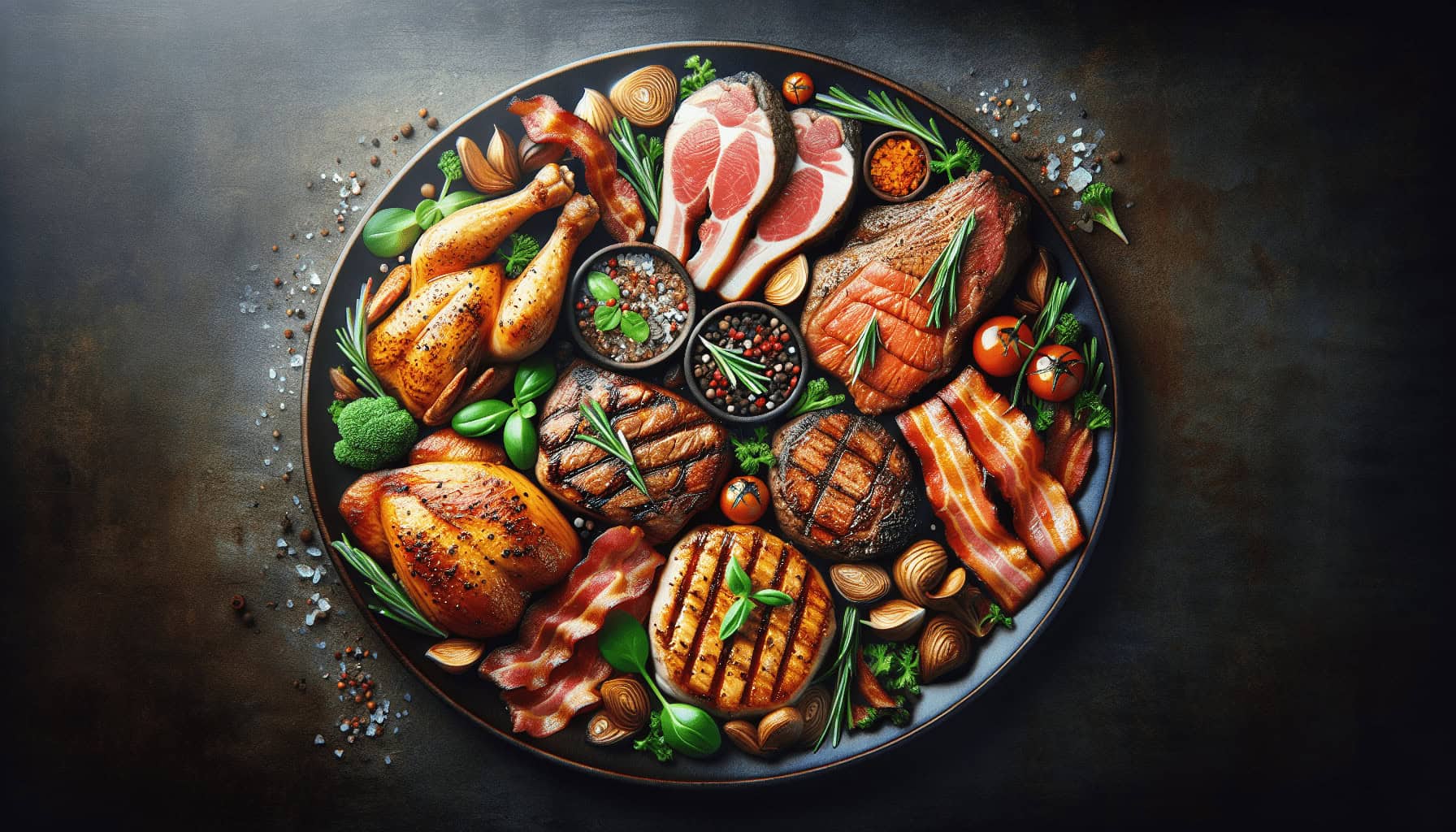
A carnivore diet is a type of eating plan that consists of primarily animal products such as meat, fish, and animal-derived products like eggs and dairy. The diet eliminates all plant-based foods such as fruits, vegetables, grains, legumes, nuts, and seeds. The idea behind the carnivore diet is to mimic the eating habits of our ancestors and consume nutrient-dense animal foods for optimal health.
The Benefits of a Carnivore Diet
Following a carnivore diet has been associated with various health benefits, including improved weight management, increased energy levels, better mental clarity, and reduced inflammation. Many proponents of the carnivore diet claim that eliminating plant foods can help alleviate digestive issues, autoimmune conditions, and skin problems. Additionally, some people find relief from certain chronic health conditions like arthritis and irritable bowel syndrome (IBS) by following a carnivore diet.
Types of Carnivore Diets
There are several variations of the carnivore diet, each with its own set of guidelines. Let’s take a closer look at some of the most popular versions of the carnivore diet and how they differ from one another.
Strict Carnivore Diet
The strict carnivore diet, also known as the “zero carb” or “carnivore” diet, is the most restrictive version of the carnivore diet. This diet only allows animal-based foods such as meat, fish, eggs, and dairy while excluding all plant-based foods completely. Followers of the strict carnivore diet believe that consuming only animal products is essential for optimal health and well-being.
Modified Carnivore Diet
The modified carnivore diet allows for some flexibility by including limited amounts of plant-based foods that are considered low in toxins and antinutrients. This version of the diet typically permits certain animal-derived products like eggs and dairy along with small quantities of select vegetables, such as leafy greens and cruciferous vegetables. The modified carnivore diet is a more sustainable approach for those who want to incorporate some plant foods into their diet while still reaping the benefits of a carnivorous eating plan.
Time-Restricted Carnivore Diet
The time-restricted carnivore diet combines the principles of intermittent fasting with a carnivore eating approach. Followers of this diet consume all their meals within a specific time window, typically ranging from 4 to 8 hours, and fast for the remainder of the day. During the eating window, individuals focus on consuming animal-based foods while eliminating plant-based foods entirely. The time-restricted carnivore diet is believed to enhance metabolic flexibility, promote fat loss, and improve overall health by syncing eating patterns with our circadian rhythms.
Nose-to-Tail Carnivore Diet
The nose-to-tail carnivore diet involves consuming all parts of the animal, including organs, bones, and collagen-rich tissues, in addition to muscle meat. This approach aims to maximize nutrient intake and diversity by incorporating a wider range of animal-based foods into the diet. Organ meats, such as liver, heart, and kidneys, are particularly nutrient-dense and provide essential vitamins and minerals that may be lacking in muscle meat alone. By embracing a nose-to-tail approach, individuals can optimize their nutrient intake and support overall health and vitality.
How to Get Started on a Carnivore Diet
If you’re considering trying a carnivore diet, here are some tips to help you get started on your journey:
Educate Yourself: Before starting a carnivore diet, take the time to research and understand the principles behind it. Learn about the potential benefits, risks, and considerations associated with a carnivorous eating plan to make an informed decision.
Consult with a Healthcare Provider: It’s essential to consult with a healthcare provider or a registered dietitian before making significant changes to your diet, especially if you have pre-existing health conditions or dietary restrictions.
Gradual Transition: If you’re currently following a standard diet, consider transitioning to a carnivore diet gradually. Start by eliminating processed foods, sugars, and grains before eliminating plant-based foods entirely.
Focus on Quality: When selecting animal products for your carnivore diet, prioritize high-quality, pasture-raised, organic, and grass-fed sources. Choose nutrient-dense animal foods that are free from antibiotics, hormones, and pesticides.
Listen to Your Body: Pay attention to how your body responds to a carnivore diet. Monitor your energy levels, digestion, satiety, and overall well-being to make adjustments as needed.
Potential Risks and Considerations of a Carnivore Diet
While a carnivore diet has its share of potential benefits, it’s essential to be aware of the risks and considerations associated with following such a restrictive eating plan. Here are some factors to keep in mind:
Nutrient Deficiencies
One of the primary concerns with a carnivore diet is the risk of nutrient deficiencies, particularly in essential vitamins and minerals found in plant foods. Certain nutrients, such as vitamin C, fiber, and phytonutrients, are predominantly found in fruits and vegetables and may be lacking in a meat-based diet. Individuals following a carnivore diet should pay close attention to their nutrient intake and consider supplementation if necessary.
Digestive Issues
Some people may experience digestive issues, such as constipation or diarrhea, when transitioning to a carnivore diet due to changes in fiber intake and gut microbiota composition. It’s essential to listen to your body, stay hydrated, and gradually adjust your diet to minimize digestive discomfort.
Sustainability
Following a strict carnivore diet long-term may not be sustainable for everyone, both from a practical and ethical perspective. Considerations such as budget, environmental impact, and personal preferences may influence your ability to adhere to a carnivore diet over time.
Individual Variation
Every individual is unique, and what works for one person may not work for another. It’s crucial to experiment, listen to your body, and tailor your diet to meet your specific needs, goals, and lifestyle.
Conclusion
In conclusion, exploring carnivore diet variations and their benefits can help you find the right approach that aligns with your health goals and preferences. Whether you choose to follow a strict carnivore diet, a modified version, a time-restricted approach, or a nose-to-tail eating plan, there are various ways to incorporate animal-based foods into your diet and optimize your health. Remember to educate yourself, consult with a healthcare provider, listen to your body, and make informed decisions about your dietary choices. By exploring different carnivore diet variations, you can discover the benefits of a meat-based eating plan and achieve optimal health and well-being.