
Meat lovers, rejoice! In this article, we will explore the fascinating link between your favorite protein-packed indulgence and insulin sensitivity. As you may already know, insulin sensitivity plays a crucial role in the regulation of blood sugar levels and overall metabolic health. So, grab a seat and prepare to discover how your meat-eating habits might be influencing this important aspect of your well-being. Get ready to connect the dots and gain a deeper understanding of the relationship between insulin sensitivity and meat consumption.
Insulin Sensitivity
Insulin sensitivity refers to the body’s ability to respond to insulin, a hormone that regulates glucose levels in the blood. When you are insulin sensitive, your body efficiently uses insulin to transport glucose from the bloodstream into the cells, where it can be used for energy. This process is crucial for maintaining stable blood sugar levels and overall metabolic health.
Importance
Insulin sensitivity plays a crucial role in maintaining optimal health and preventing chronic conditions such as diabetes and metabolic syndrome. When insulin sensitivity is decreased, the body becomes less responsive to insulin, leading to elevated blood sugar levels. Over time, this can result in the development of insulin resistance, a condition where the body produces insulin but becomes less efficient at using it. Insulin resistance is often a precursor to type 2 diabetes and is associated with an increased risk of cardiovascular disease, obesity, and other metabolic disorders.

Factors Affecting Insulin Sensitivity
Several factors can influence insulin sensitivity. These include genetics, lifestyle choices, diet, and body composition. While genetics cannot be changed, other factors such as diet and lifestyle choices can be modified to enhance insulin sensitivity.
Meat Consumption
Types of meat
Meat consumption refers to the intake of animal-based protein sources such as beef, pork, lamb, poultry, and fish. These meats can be further categorized into red meat (beef, pork, lamb), white meat (poultry, fish), and processed meat (sausages, bacon, hot dogs, deli meats).
Nutritional Composition
Meat is a rich source of essential nutrients such as protein, vitamins (B12, niacin, riboflavin), minerals (iron, zinc), and healthy fats. Protein is particularly important for maintaining muscle mass and supporting various functions in the body.
Health Effects
Moderate consumption of lean meats can have several health benefits, including providing essential nutrients and supporting muscle growth and repair. However, it is important to consider the impact of meat consumption on insulin sensitivity and overall health.
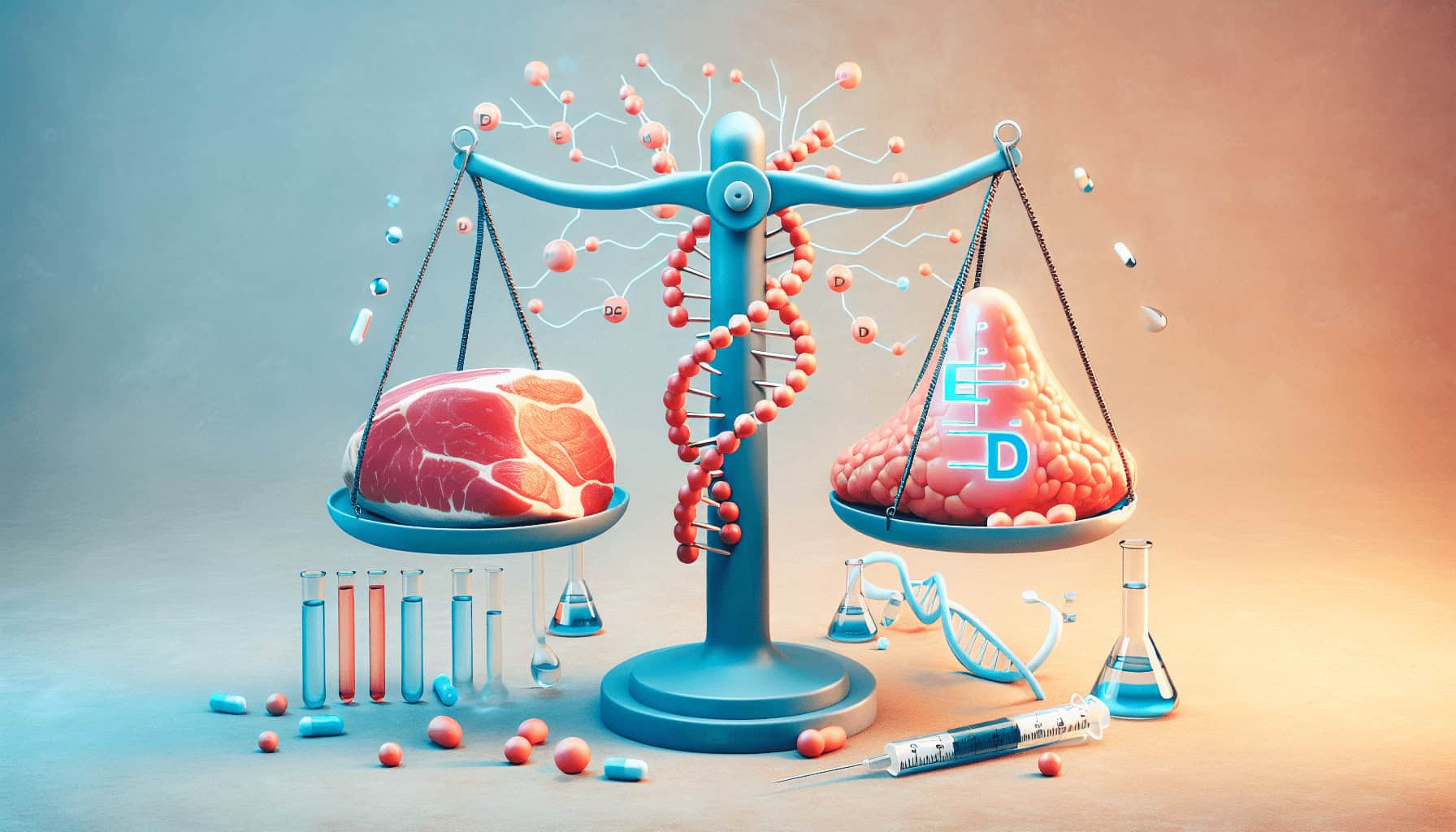
Link between Insulin Sensitivity and Meat Consumption
Research Studies
Several research studies have investigated the relationship between meat consumption and insulin sensitivity. While some studies have reported no significant association, others have suggested a potential link between increased meat consumption and decreased insulin sensitivity.
Effect of Different Types of Meat
Research suggests that the effect of meat consumption on insulin sensitivity may vary depending on the type of meat consumed. Red meat, particularly processed red meat, has been associated with an increased risk of insulin resistance and type 2 diabetes. On the other hand, white meat and fish have shown neutral or even beneficial effects on insulin sensitivity.
Impact of Meat Consumption on Insulin Sensitivity
Excessive consumption of meat, especially processed meat, may contribute to insulin resistance and decreased insulin sensitivity. Processed meats often contain high levels of sodium, preservatives, and unhealthy fats, which can negatively impact metabolic health. It is important to choose high-quality, lean meats and limit intake of processed meats to promote insulin sensitivity.
Vegetarian and Vegan Diets
Effects on Insulin Sensitivity
Studies have shown that vegetarian and vegan diets can improve insulin sensitivity. These diets are typically rich in fiber, whole grains, fruits, and vegetables, which provide a wide range of nutrients and antioxidants. Consuming a plant-based diet can contribute to improved insulin sensitivity by reducing inflammation, promoting a healthy gut microbiome, and aiding in weight management.
Alternative Protein Sources
While meat is a primary source of protein, there are several plant-based protein sources that can adequately meet your nutritional needs. Legumes, tofu, tempeh, seitan, nuts, seeds, and whole grains are excellent alternatives that provide a variety of nutrients and promote insulin sensitivity. It is essential to ensure adequate protein intake when following a vegetarian or vegan diet.
Processed Meat
Negative Effects on Insulin Sensitivity
Regular consumption of processed meats has been linked to an increased risk of insulin resistance and type 2 diabetes. Processed meats often contain additives, preservatives, and unhealthy fats that can lead to inflammation and impaired insulin sensitivity. These meats are typically high in sodium, which can contribute to elevated blood pressure and cardiovascular problems.
Recommendations for Moderation
To promote insulin sensitivity and overall health, it is advisable to limit processed meat consumption. Instead, opt for lean cuts of meat or choose plant-based protein sources. When consuming meat, prioritize quality over quantity, and consider cooking methods that minimize the formation of potentially harmful compounds, such as grilling or baking instead of frying.
Animal Protein and Insulin Resistance
Insulin Resistance Development
Research suggests that a high intake of animal protein, particularly from red and processed meats, may contribute to the development of insulin resistance. Animal protein has been shown to activate certain pathways in the body that can interfere with insulin signaling and promote insulin resistance. However, more research is needed to fully understand the mechanisms involved.
Mechanisms Linking Animal Protein and Insulin Resistance
The exact mechanisms linking animal protein to insulin resistance are not yet fully understood. However, some hypotheses suggest that the presence of certain amino acids and the overall composition of animal protein may trigger inflammation, oxidative stress, and impaired insulin signaling pathways. Further studies are required to elucidate these mechanisms and their impact on insulin sensitivity.
Fatty Acids and Insulin Sensitivity
Omega-3 Fatty Acids
Omega-3 fatty acids, found primarily in fatty fish, flaxseeds, and walnuts, have been associated with improved insulin sensitivity. These essential fatty acids have anti-inflammatory properties and can help regulate cellular communication and insulin signaling pathways. Including foods rich in omega-3 fatty acids in your diet can contribute to enhanced insulin sensitivity and overall metabolic health.
Omega-6 Fatty Acids
While omega-6 fatty acids are also essential, they should be balanced with omega-3 fatty acids for optimal health. The typical Western diet is often high in omega-6 fatty acids, found in vegetable oils and processed foods. Excessive omega-6 intake, especially in the absence of adequate omega-3 intake, may contribute to inflammation and impaired insulin sensitivity. Strive for a balanced intake of both omega-3 and omega-6 fatty acids to support insulin sensitivity.
Balancing Fatty Acid Intake
To promote insulin sensitivity, it is important to consume a diverse range of fats from both animal and plant sources. Including fatty fish, nuts, seeds, avocados, and olive oil in your diet can help maintain a healthy balance of omega-3 and omega-6 fatty acids. Limiting intake of processed and fried foods, which are often high in unhealthy fats, is also crucial for optimal insulin sensitivity.
Plant-Based Diets
Benefits for Insulin Sensitivity
Plant-based diets, particularly those rich in whole, unprocessed foods, have been associated with improved insulin sensitivity. These diets are typically high in fiber, antioxidants, and phytonutrients, which can reduce inflammation, improve gut health, and support insulin signaling pathways. Plant-based diets have also been linked to weight loss and maintenance, further enhancing insulin sensitivity.
Optimal Plant-Based Diet for Improved Insulin Sensitivity
To maximize the benefits of a plant-based diet on insulin sensitivity, focus on consuming a variety of fruits, vegetables, whole grains, legumes, nuts, and seeds. These foods are packed with nutrients and provide an array of health benefits. It is important to ensure adequate intake of essential nutrients such as vitamin B12, iron, and omega-3 fatty acids, which are commonly found in animal-based foods. Consulting with a healthcare professional or registered dietitian can help ensure a well-balanced plant-based diet.
Other Factors Affecting Insulin Sensitivity
Physical Activity
Regular physical activity is crucial for improving insulin sensitivity. Exercise helps improve muscle function, increases glucose uptake by cells, and aids in weight management. Engaging in moderate-intensity aerobic activities such as walking, jogging, cycling, and strength training can positively impact insulin sensitivity.
Weight Management
Maintaining a healthy weight or losing excess weight is essential for optimizing insulin sensitivity. Excess body fat, especially around the abdomen, can contribute to insulin resistance and metabolic dysfunction. A balanced diet, regular physical activity, and lifestyle modifications can help achieve and maintain a healthy weight, enhancing insulin sensitivity.
Genetic Predisposition
Genetics can influence insulin sensitivity to some extent. Certain genetic variations may predispose individuals to decreased insulin sensitivity. However, lifestyle factors, including diet and physical activity, can still play a significant role in maintaining and improving insulin sensitivity, regardless of genetic predisposition.
Conclusion
Insulin sensitivity is a vital aspect of metabolic health and plays a significant role in preventing chronic diseases such as diabetes and metabolic syndrome. While meat can be a valuable source of nutrients, excessive consumption of certain types of meats, particularly processed meats, may contribute to decreased insulin sensitivity and an increased risk of insulin resistance. Adopting a balanced and varied diet that includes lean meats, fish, and a variety of plant-based protein sources can help support optimal insulin sensitivity. Additionally, incorporating regular physical activity, maintaining a healthy weight, and considering genetic predisposition can all contribute to promoting and improving insulin sensitivity for long-term overall health and well-being.