
Imagine a world where devouring juicy steaks, savoring succulent ribs, and relishing in a mouthwatering bacon-wrapped feast could be the key to managing diabetes. That’s right, the carnivore diet is making waves in different cultures as a potential adaptation for diabetics. From the Maasai tribe in Africa to the Inuit people of the Arctic, this unconventional approach to eating has ignited curiosity and sparked conversations. So, grab a seat, and let’s explore how societies around the world are embracing this meat-centric way of life to help individuals with diabetes thrive.
Traditional Diets in Different Cultures
Inuit Diet
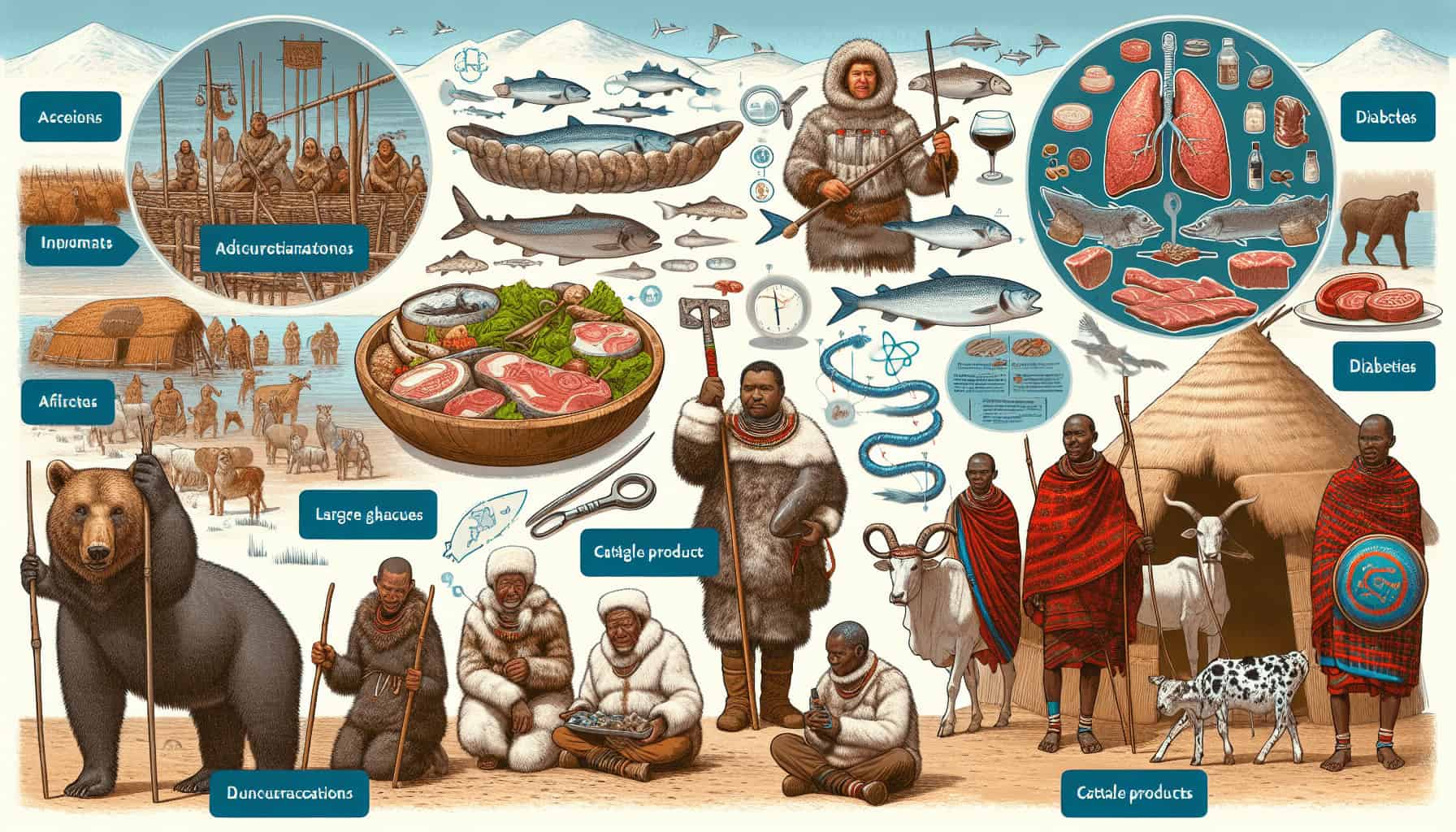
The Inuit people, who live in the Arctic regions of Canada, Greenland, and Alaska, have long relied on a traditional diet that is primarily based on meat and fish. Their diet consists mainly of marine mammals such as seals and whales, as well as fish like salmon. The Inuit diet is high in protein and fat, providing the necessary nutrients for their harsh environment. This diet is naturally low in carbohydrates, making it suitable for individuals with diabetes who need to regulate their blood sugar levels.
Masai Diet
The Masai people of East Africa, particularly Kenya and Tanzania, have a diet centered around animal products. Their main sources of sustenance are meat, milk, and blood from their livestock, which primarily consists of cows. The Masai diet is high in protein and fat, which helps them maintain their traditional way of life as nomadic herders. This diet is low in carbohydrates, making it a potential option for individuals with diabetes.
Maasai Diet
Similar to the Masai people, the Maasai of East Africa also follow a diet that is heavily reliant on animal products. Their diet consists mainly of milk, meat, and blood from cattle, sheep, and goats. The Maasai traditionally consume little to no fruits and vegetables, which makes their diet primarily carnivorous. While the Maasai diet may not be suitable for everyone, it can be adapted to fit individual needs and preferences.
Eskimo Diet
The Eskimo people, also known as the Inuit, have a traditional diet that is rich in animal fats and proteins. This diet is necessary for survival in the harsh Arctic climate in which they live. Their diet consists mainly of fish, seal, walrus, and whale meat, providing essential nutrients and energy. The Eskimo diet is low in carbohydrates, which can be beneficial for individuals with diabetes who need to manage their blood sugar levels.
Siberian Chukotka Diet
The Siberian Chukotka people, who reside in northeastern Russia, have a diet that is similar to that of the Inuit and Eskimo. Their diet primarily consists of marine mammals and fish, such as seals, whales, and salmon. The Chukotka diet is rich in protein and healthy fats, which help them stay nourished in the extreme cold temperatures of Siberia. This low-carbohydrate diet can be beneficial for individuals with diabetes looking for alternative ways to manage their condition.
Carnivore Diet and Diabetes
Understanding Diabetes
Diabetes is a chronic condition characterized by high blood sugar levels either due to the body’s inability to produce insulin (Type 1 diabetes) or the body’s inability to effectively use insulin (Type 2 diabetes). It is a condition that requires careful management of diet and lifestyle to maintain stable blood sugar levels.
Effects of Different Diets on Blood Sugar
The impact of different diets on blood sugar levels varies depending on the macronutrient composition of the diet. Carbohydrates, particularly those that are refined and high in sugar, tend to cause a rapid increase in blood sugar levels. On the other hand, diets high in protein and fat have minimal effect on blood sugar, making them potential options for individuals with diabetes.
Is the Carnivore Diet Suitable for Diabetics?
The carnivore diet, as the name suggests, is a diet that primarily consists of animal products such as meat, fish, and eggs. This diet eliminates or significantly restricts the intake of carbohydrates. While there is limited research on the long-term effects of the carnivore diet on diabetes specifically, some individuals with diabetes have reported improvements in blood sugar control when adopting this diet.
Benefits of the Carnivore Diet for Diabetics
The carnivore diet can offer several potential benefits for individuals with diabetes. By eliminating or reducing carbohydrate intake, it can help regulate blood sugar levels and reduce the need for insulin or other diabetes medications. Additionally, the high protein and fat content of the diet can help promote satiety and weight management, which are important considerations for individuals with diabetes.
Adapting the Carnivore Diet for Diabetics
Monitoring Protein Intake
When following the carnivore diet, it is important to monitor protein intake, as excessive protein consumption can be converted into glucose in the body. Individuals with diabetes can work with a healthcare professional, such as a registered dietitian, to determine an appropriate protein intake that aligns with their specific dietary needs and blood sugar control goals.
Balancing Macronutrient Ratios
While the carnivore diet is naturally low in carbohydrates, it is important to balance macronutrient ratios to ensure a well-rounded and nutrient-dense diet. Including an appropriate amount of healthy fats and monitoring protein intake can help maintain stable blood sugar levels and provide essential nutrients for overall health.
Incorporating Non-Starchy Vegetables
Although the carnivore diet primarily focuses on animal products, incorporating non-starchy vegetables can provide additional vitamins, minerals, and fiber. Non-starchy vegetables such as leafy greens, broccoli, and cauliflower have minimal impact on blood sugar levels and can help support overall health and digestion.
Including Diabetic-Friendly Fats
Incorporating diabetic-friendly fats, such as avocado, olive oil, and nuts, can help provide essential fatty acids and promote heart health. These fats can also aid in satiety and help individuals with diabetes manage their weight.
Optimizing Mineral and Micronutrient Intake
When following the carnivore diet, it is important to ensure adequate intake of essential minerals and micronutrients. Utilizing a variety of animal-based foods, such as organ meats, can help provide a wide range of nutrients. However, it is essential for individuals with diabetes to monitor their nutrient intake and consider supplementation if necessary.
Exploring Diabetic-Friendly Carnivore Recipes
Grilled Salmon with Lemon and Herbs
Grilled salmon is a delicious and nutritious option for individuals with diabetes following the carnivore diet. Simply marinate salmon fillets in freshly squeezed lemon juice, minced garlic, and a selection of your favorite herbs, such as dill or parsley. Grill the salmon until cooked to your desired doneness and serve with a side of non-starchy vegetables for a well-rounded meal.
Seared Sirloin Steak with Garlic Butter
A juicy seared sirloin steak topped with garlic butter is a satisfying option for those following the carnivore diet. Season the steak with salt and pepper, then sear it in a hot skillet until cooked to your desired level of doneness. Meanwhile, prepare a luscious garlic butter by combining melted butter and minced garlic. Once the steak is cooked, pour the garlic butter on top for a flavorful and satisfying meal.
Baked Chicken with Italian Seasoning
Baked chicken is a versatile and easy-to-prepare dish for individuals with diabetes following the carnivore diet. Season chicken pieces with Italian seasoning, garlic powder, salt, and pepper. Place the chicken on a baking sheet and bake in the oven until the internal temperature reaches 165°F (74°C). Serve with a side of non-starchy vegetables or a green salad for a complete meal.
Beef Stir-Fry with Vegetables
Beef stir-fry with vegetables is a colorful and nutritious option for those following the carnivore diet. Cut beef into thin strips and stir-fry in a hot skillet with olive oil until browned. Add a variety of non-starchy vegetables, such as bell peppers, broccoli, and mushrooms, and cook until tender-crisp. Season with soy sauce and garlic powder for added flavor. Serve the stir-fry hot and enjoy the vibrant flavors and textures.
Cultural Adaptations of the Carnivore Diet
Adopting the Diet in Different Cultures
The carnivore diet may need to be adapted to fit different cultural contexts and dietary preferences. While the traditional diets of cultures like the Inuit, Masai, and Maasai naturally align with the principles of the carnivore diet, other cultures may have different dietary staples. Exploring local meats, seafood, and traditional preparation methods can help individuals from different cultures adopt the carnivore diet while still maintaining their cultural identity and culinary traditions.
Incorporating Local Meats and Seafood
One of the key aspects of cultural adaptations of the carnivore diet is incorporating local meats and seafood. Depending on the region, there may be a wide variety of animal products available that can serve as the foundation of the diet. For example, individuals in coastal areas can incorporate fresh seafood like fish, shrimp, and shellfish, while those in landlocked regions can focus on meats like beef, pork, and poultry.
Traditional Preparation Methods
Another important aspect of cultural adaptations is embracing traditional preparation methods. Each culture has its own unique ways of cooking and seasoning meats, which can add diversity and flavor to the carnivore diet. Exploring traditional marinades, spice blends, and cooking techniques can help individuals maintain cultural ties while following the principles of the carnivore diet.
Regional Spices and Seasonings
Incorporating regional spices and seasonings can also enhance the flavor profile of carnivore meals. Different cultures have their own unique spice blends and seasonings that can be used to enhance the taste of meats and seafood. From Indian curry spices to Mexican chili powders, experimenting with cultural spices can add depth and variety to carnivore meals.
Carnivore Diet Misconceptions and Controversies
Critics and Skeptics of the Diet
The carnivore diet has garnered both praise and criticism from various sectors. Critics argue that the elimination of plant-based foods may lead to potential nutrient deficiencies and an increased risk of certain health conditions. Skeptics highlight the lack of long-term research on the carnivore diet, making it difficult to fully understand its potential benefits or risks.
Potential Risks and Side Effects
While some individuals report positive outcomes from following the carnivore diet, others may experience negative side effects such as constipation, nutrient deficiencies, or digestive issues. It is important to approach the diet with caution and awareness of potential risks, consulting with healthcare professionals and monitoring one’s health closely.
Addressing Nutrient Deficiencies
One common concern with the carnivore diet is the potential for nutrient deficiencies due to the limited variety of foods consumed. It is essential for individuals to carefully plan and monitor their nutrient intake to ensure they are meeting their body’s needs. Supplementation, when necessary, can help address any potential deficiencies.
Importance of Medical Supervision
Due to the unique nature of the carnivore diet, it is important for individuals with diabetes or any other pre-existing health conditions to seek medical supervision before making significant dietary changes. Healthcare professionals, such as registered dietitians, can provide personalized guidance and support to ensure the diet is safe and compatible with individual health needs.
Diabetic Success Stories on the Carnivore Diet
Personal Accounts of Diabetic Healing
Some individuals with diabetes have reported positive outcomes and improvements in their blood sugar control after adopting the carnivore diet. Personal accounts often highlight reduced insulin dependence, improved blood sugar stability, and overall better management of diabetes symptoms. However, it is important to note that personal experiences may vary, and more research is needed to understand the potential benefits of the carnivore diet for diabetes.
Blood Sugar Control and Insulin Reduction
One of the main benefits reported by diabetic individuals following the carnivore diet is improved blood sugar control. By eliminating carbohydrates, which are known to influence blood sugar levels, individuals may experience more stable blood sugar throughout the day. This can lead to a reduced need for insulin or other medications to manage diabetes.
Improved Energy and Mental Clarity
Some individuals with diabetes on the carnivore diet have reported increased energy levels and mental clarity. By eliminating sugars and refined carbohydrates, which can cause energy crashes and brain fog, individuals may experience sustained energy and improved cognitive function.
Weight Loss and Body Composition Improvements
Weight loss and improvements in body composition have been reported by some individuals with diabetes following the carnivore diet. The high protein content of the diet and reduced carbohydrate intake can support weight loss efforts and help individuals achieve a healthier body composition. However, it is important to approach weight management in a holistic manner and consider individual needs and goals.
Challenges and Considerations for Diabetics
Impact on Medication and Insulin Dosing
Individuals with diabetes who are considering the carnivore diet should be aware of the potential impact on their medication and insulin dosing. When dietary changes are made, it is important to regularly monitor blood sugar levels and adjust medication and insulin dosages accordingly. Working closely with healthcare professionals can help ensure a smooth transition and safe management of diabetes.
Adapting to the Carnivore Diet Long-Term
Adopting the carnivore diet as a long-term way of eating may present challenges for some individuals, especially in social and cultural settings where plant-based foods are prevalent. It is important to consider the sustainability and practicality of the diet and find ways to adapt in order to maintain a balanced and enjoyable eating experience.
Potential Psychological and Social Impacts
The carnivore diet, like any restrictive dietary approach, may have psychological and social impacts. It may require individuals to navigate social gatherings and dining out situations that may not align with the principles of the diet. It is important to prioritize mental and emotional well-being and find support networks to overcome these challenges.
Monitoring and Regular Blood Tests
Individuals with diabetes following the carnivore diet should continue to monitor their blood sugar levels regularly and undergo routine blood tests to assess overall health and nutrient status. Regular check-ups with healthcare providers are essential to ensure optimal management of diabetes and address any potential health concerns.
Consulting Experts and Healthcare Providers
Registered Dietitians
Registered dietitians are trained professionals who can provide personalized guidance and support for individuals with diabetes who are considering the carnivore diet. They can help individuals create a well-rounded and nutrient-dense meal plan, monitor blood sugar levels, and address any concerns related to the diet and diabetes management.
Endocrinologists
Endocrinologists are medical doctors who specialize in the management of hormonal disorders, including diabetes. Consulting with an endocrinologist can provide valuable insight and guidance on how the carnivore diet may impact blood sugar control, medication dosages, and overall diabetes management.
Diabetes Educators
Diabetes educators are healthcare professionals who specialize in teaching individuals with diabetes how to manage their condition effectively. They can offer support, education, and resources on dietary options, including the carnivore diet, as well as provide guidance on self-care practices such as blood sugar monitoring and medication management.
Personalized Medical Advice
It is important to remember that personal circumstances and medical needs vary. Seeking personalized medical advice from healthcare professionals is crucial before making any significant dietary changes, especially for individuals with diabetes. They can provide individualized recommendations based on personal health history, goals, and unique needs.
Conclusion
The carnivore diet, although relatively controversial, has gained attention for its potential benefits for individuals with diabetes. Traditional diets of various cultures, such as the Inuit, Masai, and Maasai, have similarities to the carnivore diet and can serve as inspiration for cultural adaptations. Adapting the carnivore diet for diabetics involves careful monitoring of nutrient intake, balancing macronutrient ratios, and incorporating non-starchy vegetables and diabetic-friendly fats. Individuals with diabetes should consider potential challenges, consult healthcare professionals, and monitor their health closely while following the diet. Ultimately, the decision to adopt the carnivore diet should be made in collaboration with healthcare providers, empowering individuals with diabetes to make informed decisions about their diet and overall health.