
Do you suffer from chronic pain? If so, you may be intrigued to learn about the potential benefits of the Carnivore Diet. This unique approach to eating focuses solely on animal products, eliminating all carbohydrates and plant-based foods from your plate. By doing so, proponents of the Carnivore Diet claim that it can help alleviate chronic pain, reduce inflammation, and improve overall well-being. In this article, we will explore the connection between the Carnivore Diet and chronic pain management, examining whether this controversial approach could be a game-changer for those seeking relief.
I. What is the Carnivore Diet?
A. Definition of the Carnivore Diet
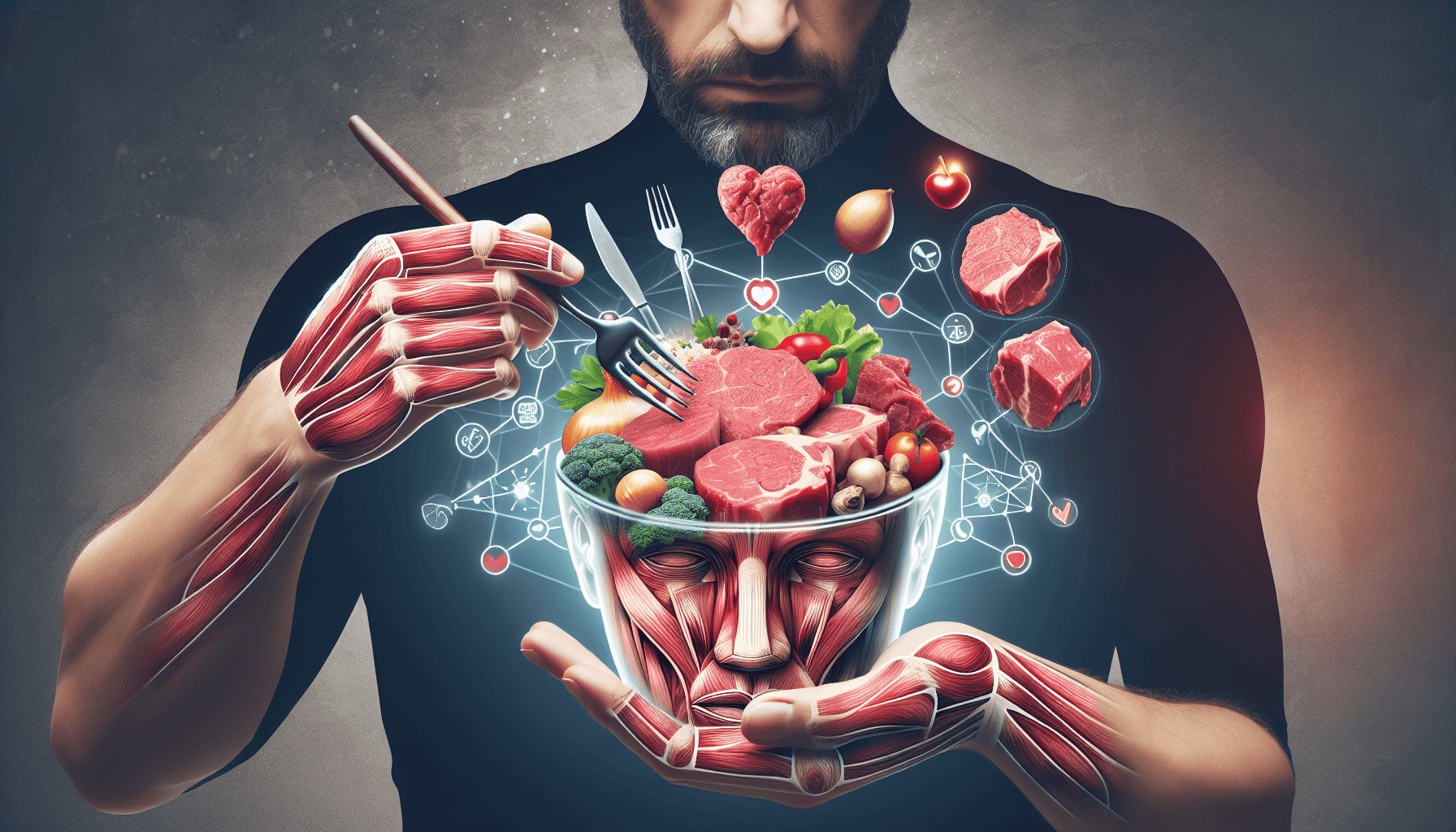
The Carnivore Diet, as the name suggests, is a dietary approach that primarily focuses on animal-based foods, such as meat, fish, eggs, and dairy products. It emphasizes the exclusion of all plant-based foods, including fruits, vegetables, grains, legumes, and even some processed foods. Unlike other popular diets that promote a balance of macronutrients, the Carnivore Diet is characterized by its high intake of animal protein and fat, while virtually eliminating carbohydrates.
B. Key principles of the Carnivore Diet
The Carnivore Diet adheres to a few key principles. Firstly, it prioritizes animal-based foods as the primary source of nutrients, providing high-quality protein, essential fats, and various micronutrients. Secondly, it emphasizes the exclusion of all plant-based foods, which means avoiding potential allergens, anti-nutrients, and certain carbohydrates. Lastly, the Carnivore Diet encourages the consumption of organ meats, which are highly nutritious and contain essential vitamins and minerals.
II. Understanding Chronic Pain
A. Definition of Chronic Pain
Chronic pain refers to persistent or recurrent pain that lasts for more than three to six months. Unlike acute pain, which serves as a protective response to injury or illness, chronic pain persists beyond the expected healing time and can significantly impact an individual’s daily life. It can manifest as a result of various underlying conditions, such as arthritis, fibromyalgia, nerve damage, or musculoskeletal disorders.
B. Causes of Chronic Pain
Chronic pain can have diverse causes, including injuries, surgeries, chronic illnesses, and conditions affecting the nervous system. In some cases, the cause of chronic pain may not be easily identifiable. Psychological factors, such as stress, anxiety, and depression, can also contribute to the development and exacerbation of chronic pain symptoms.
C. Impact of Chronic Pain on Quality of Life
Chronic pain can have a profound impact on an individual’s quality of life. It can lead to physical limitations, decreased mobility, sleep disturbances, fatigue, and emotional distress. People living with chronic pain often experience reduced productivity, limitations in daily activities, and social withdrawal, which can impact their overall well-being and mental health.
III. The Link Between Diet and Chronic Pain
A. Importance of Diet in Chronic Pain Management
Diet plays a pivotal role in managing chronic pain. Certain foods can trigger inflammation in the body, exacerbating pain symptoms, while others may have anti-inflammatory properties, providing relief. Additionally, a well-balanced diet can support overall health and proper functioning of the body, contributing to pain management and reducing the risk of further complications.
B. Role of Inflammation in Chronic Pain
Inflammation is a natural response by the body to injury or infection. However, chronic inflammation can be detrimental, leading to tissue damage and sustained pain. Some foods, especially those high in refined carbohydrates, sugar, and unhealthy fats, can promote inflammation. Conversely, a diet rich in anti-inflammatory foods, such as fatty fish, leafy greens, and nuts, can help reduce inflammation and alleviate chronic pain.
C. Research on the Impact of Diet on Chronic Pain
Several studies have examined the relationship between diet and chronic pain, highlighting the potential benefits of certain dietary approaches. For example, a Mediterranean-style diet, rich in fruits, vegetables, whole grains, and lean protein, has been associated with a reduction in inflammatory markers and improved pain management in individuals with chronic pain conditions. Similarly, the consumption of omega-3 fatty acids found in fish has been linked to reduced pain intensity and improved joint mobility in individuals with rheumatoid arthritis.
IV. The Science Behind the Carnivore Diet
A. Evolutionary Perspective on Human Diet
Proponents of the Carnivore Diet argue that from an evolutionary standpoint, humans have predominantly consumed animal-based foods throughout history. They emphasize that our ancestors thrived on a diet primarily consisting of meat and animal products, suggesting that the human body is naturally adapted to this type of diet.
B. Nutritional Composition of the Carnivore Diet
The Carnivore Diet is often praised for its nutrient-dense composition. Animal-based foods, such as meat, fish, and eggs, are excellent sources of high-quality protein, essential amino acids, vitamins, and minerals. These nutrients play crucial roles in various bodily functions, including tissue repair, immune system function, and hormone production.
C. Potential Benefits of the Carnivore Diet
Supporters of the Carnivore Diet claim that it can offer several benefits beyond chronic pain management. Some individuals report weight loss, improved body composition, increased energy levels, enhanced mental clarity, and better digestion on this diet. The removal of potentially inflammatory plant-based foods may also alleviate symptoms for those with certain autoimmune conditions.

V. Can the Carnivore Diet Help Manage Chronic Pain?
A. Personal Testimonies and Anecdotal Evidence
Many individuals suffering from chronic pain have reported experiencing relief and improved overall well-being after adopting the Carnivore Diet. These personal testimonies suggest that the elimination of certain foods, particularly those high in carbohydrates and plant anti-nutrients, can alleviate inflammation and pain symptoms.
B. Potential Mechanisms for Pain Reduction on the Carnivore Diet
The Carnivore Diet’s potential for pain reduction can be attributed to several factors. By eliminating potentially inflammatory foods, it may reduce overall inflammation in the body, providing relief from chronic pain. Additionally, the high intake of protein and essential fats in animal-based foods can support tissue repair and reduce muscle and joint inflammation.
C. Criticisms and Challenges to the Carnivore Diet Approach
While some individuals may experience significant pain relief on the Carnivore Diet, it is important to acknowledge that individual responses may vary. Critics argue that the exclusion of plant-based foods may result in nutrient deficiencies, especially in key vitamins, minerals, and fiber. The long-term sustainability of the diet is also a concern for some, as it may be challenging to maintain over an extended period.
VI. Expert Opinions and Research Studies
A. Medical Professionals’ Views on the Carnivore Diet
Medical professionals have varying opinions when it comes to the Carnivore Diet. Some experts express concern over the potential health risks associated with an imbalanced and restrictive diet. They emphasize the importance of a well-rounded and diverse diet to ensure proper nutrient intake and overall health. However, others argue that further research is needed to fully understand the implications and potential benefits of the Carnivore Diet.
B. Available Scientific Studies on the Carnivore Diet’s Impact on Chronic Pain
Scientific research specifically examining the impact of the Carnivore Diet on chronic pain is limited. Most studies on the diet have focused on other health aspects. While anecdotal evidence and personal testimonies suggest potential benefits, rigorous scientific studies are needed to provide more concrete evidence and support for the use of the Carnivore Diet in chronic pain management.
VII. Important Considerations
A. Individual Variations and Medical Conditions
It is crucial to consider individual variations and medical conditions before embarking on any dietary change, including the Carnivore Diet. Personal health history, allergies, nutrient requirements, and existing medical conditions should be evaluated in consultation with a healthcare professional to determine the appropriateness and potential risks of adopting a diet that eliminates entire food groups.
B. Supplementation and Nutrient Deficiencies
If following the Carnivore Diet, supplementation may be necessary to ensure adequate intake of certain nutrients commonly found in plant-based foods. Key nutrients, such as vitamin C, vitamin D, calcium, and fiber, are typically abundant in fruits, vegetables, and grains, which are excluded on the Carnivore Diet. A healthcare professional can provide guidance on proper nutrient supplementation, if needed.
C. Long-term Sustainability of the Carnivore Diet
It is important to consider the long-term sustainability and practicality of the Carnivore Diet. The exclusion of plant-based foods may limit dietary variety and potentially lead to monotony, making it challenging to maintain the diet over an extended period. Ensuring a diet that provides a wide range of nutrients from diverse sources is generally recommended for long-term health and well-being.
VIII. Cautionary Notes and Potential Risks
A. Exclusion of Plant-Based Foods and Nutrients
The complete exclusion of plant-based foods from the Carnivore Diet may result in nutrient deficiencies and may not provide a well-rounded nutritional profile. Plant-based foods contain essential vitamins, minerals, antioxidants, and fiber that play vital roles in supporting overall health and reducing the risk of chronic diseases. It is essential to ensure adequate nutrient diversity when following the Carnivore Diet.
B. Lack of Fiber and Impact on Gut Health
Fiber is a crucial component of a healthy diet, supporting digestive health and promoting regular bowel movements. The absence of fiber on the Carnivore Diet may negatively impact gut health, potentially leading to constipation and other gastrointestinal issues. It is important to find alternative sources of fiber, such as supplementation or specific animal-based foods that provide a minimal amount of fiber.
C. Potential Cardiovascular Concerns on a High-Meat Diet
The high consumption of meat, especially red and processed meats, has been associated with an increased risk of cardiovascular diseases. While the Carnivore Diet primarily focuses on animal-based foods, it is crucial to prioritize lean cuts of meat and include other heart-healthy protein sources, such as fish and poultry, to mitigate potential cardiovascular risks. Monitoring cholesterol levels and overall heart health is essential when following a high-meat diet.
IX. Conclusion
The Carnivore Diet is a dietary approach that emphasizes animal-based foods and excludes all plant-based foods. While personal testimonies and anecdotal evidence suggest potential benefits for chronic pain management, scientific research specifically examining the diet’s effects on chronic pain is limited. It is essential to consider individual variations, medical conditions, and consult healthcare professionals before adopting the Carnivore Diet or any restrictive dietary approach. Achieving a balanced and varied diet that includes a wide range of nutrients from diverse sources is generally recommended for optimal health and well-being.